
US pausing $14bn arms sale to Taiwan due to Iran war, navy chief says
US pauses $14bn arms sale to Taiwan to prioritize munitions for Iran conflict.
Al Jazeera English1 min read

Guzman y Gomez is closing its US operations after failing to succeed in a saturated Mexican food market, marking a setback for Australian fast food chains. The closures will cost the company up to $40 million.
Mentioned in this story
Guzman y Gomez is closing its US business after failing to establish itself in a market already rich with Mexican food, confirming the American country’s reputation as a “graveyard” for Australian fast food companies.
The Mexican-themed chain told shareholders on Friday that the performance of its US stores had not been acceptable, despite its well-publicised plans to “become the best and biggest restaurant company in the world”.
It currently lists eight stores in the Chicago area on its US website. The closures are expected to cost GyG up to $US40m ($56m) in one-off costs.
The GyG founder and co-chief executive, Steven Marks, said the performance of the US business could no longer justify the required investment.
“I have always been confident in the differentiation of our food and guest experience, however this was not translating to an improvement in sales momentum,” Marks said on Friday.
“Having spent the last three months in the US, I realised this was going to take significantly more time and capital than we had expected.”
Sign up for the Breaking News Australia email
Some analysts had not expected its US business to break even for at least another decade.
The US has been described as a “graveyard” for Australian companies, especially those in fast food. It has previously proven too tough for local chains, like Crust Gourmet Pizza and Oporto.
Analysts had previously raised concerns that GyG would struggle to compete with established Mexican-themed chains such as Chipotle, along with numerous Latin American restaurants.
GyG offered bigger burritos in the US than it does in Australia in an attempt to woo American customers, who typically demand larger portions.
RBC Capital Markets analyst Michael Toner said the US exit was a positive development.
“On current unit economics, we believe the US business had very low prospects of being successful, and the losses of the business were weighing down the earnings of the group so the sooner exit than anticipated is positive,” Toner said.
GyG said that Australia remains the core focus of the business, although it is also expanding in Singapore and Japan.
At the end of 2025, there were 237 GyG stores in Australia, according to data analysis company GapMaps, making it the ninth largest chain, just ahead of Oporto.
Guzman y Gomez is closing its US business due to poor performance and inability to establish itself in a competitive market.
The company expects the closures to incur one-off costs of up to $40 million.
Guzman y Gomez had eight stores in the Chicago area before deciding to exit the US market.
US pauses $14bn arms sale to Taiwan to prioritize munitions for Iran conflict.

Malaysia's MCMC demands TikTok act on defamatory content about the king.
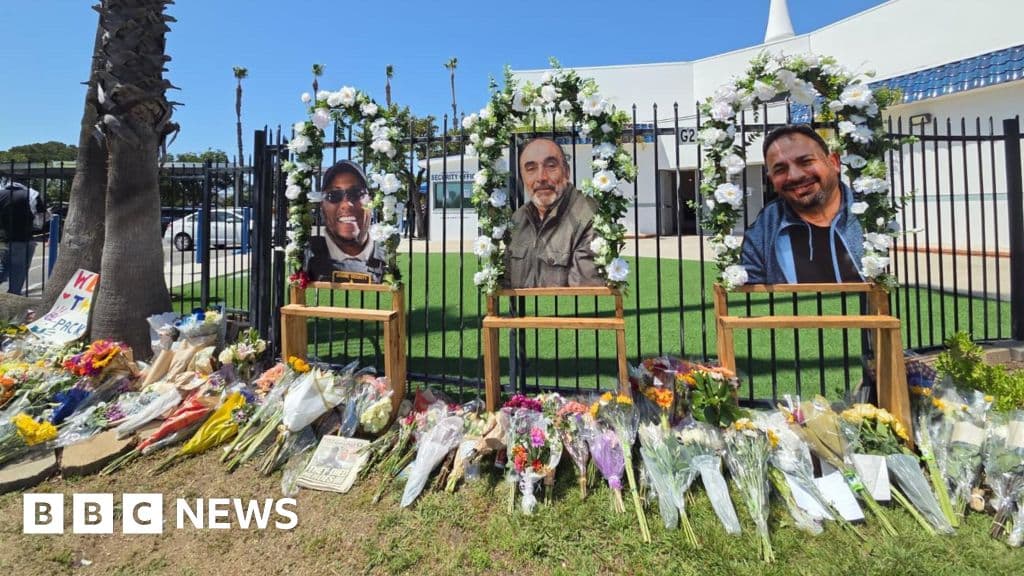
San Diego's Muslim community stands strong after mosque shooting
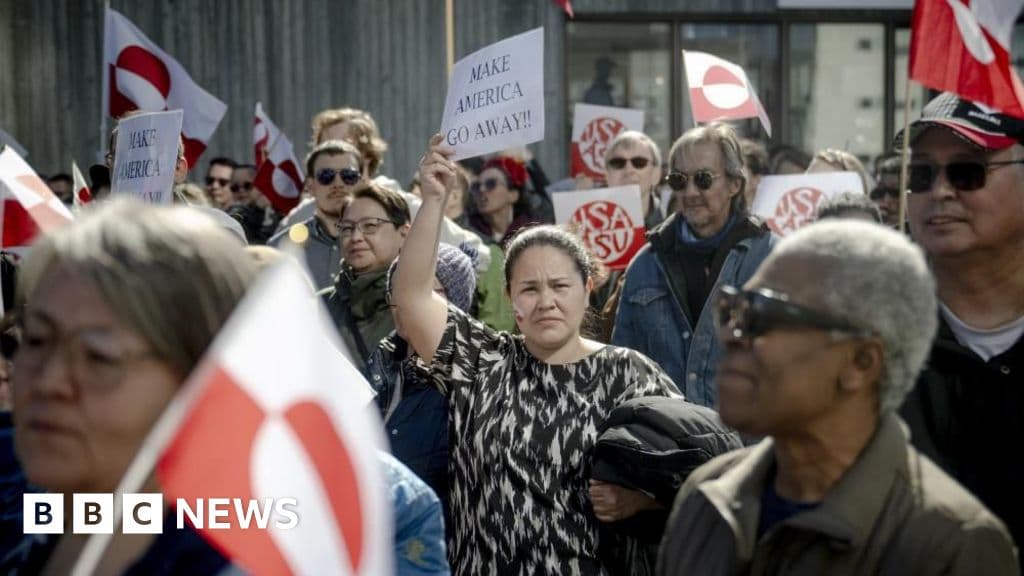
Greenlanders gather to protest against Trump's influence outside new US consulate in Nuuk.

Turkish court annuls CHP leadership election, appoints Kemal Kilicdaroglu as interim leader.
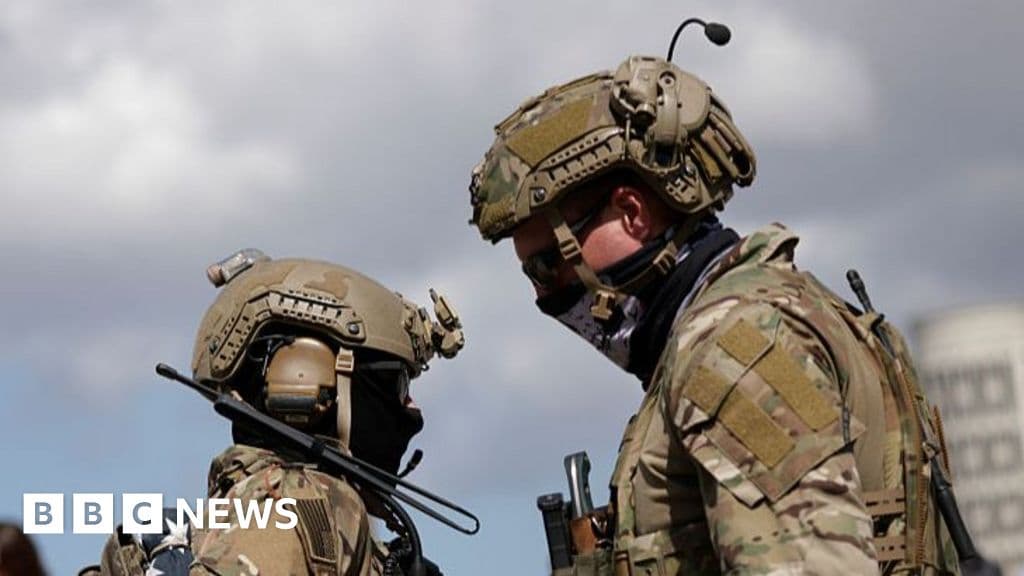
Trump announces deployment of 5,000 additional US troops to Poland.
See every story in News — including breaking news and analysis.
GyG and rival Zambrero are among the fastest growing chains, highlighting the popularity of Mexican-themed food in Australia.
The big three chains, Subway, McDonald’s and KFC, are also expanding rapidly, while Domino’s and Red Rooster closed more stores than they opened last year.
GyG listed on the ASX in mid 2024. After an initial period of strong share market performance its stock price slumped after struggling to meet shareholder expectations.
Its share price rocketed on Friday after the announcement, rising more than 15% by late morning trading. However, GyG stock is still priced below the $22 initial public offer price that retail investors paid.