
What would make the UK a better place to live? A new project aims to find out
Join the National Conversation: Share Your Vision for a Better UK!
BBC News1 min read

The revived Pensions Commission in Britain is urging action to address the significant gender savings gap in retirement, where women have half the private pension savings of men. An interim report is expected soon, focusing on recommendations to close this gap and prevent pensioner poverty.
A shake-up of pensions in Britain must involve measures to close the gap in retirement savings between men and women, the revived Pensions Commission is to tell ministers.
According to the government-backed body, women approaching retirement have on average half the private pension savings of men, with a median pension wealth of £81,000 versus £156,000.
The commission, which is expected to publish its interim report on the long-term future of the retirement system this week, said it would look at how the government could cut the gender pension gap as part of its work towards a final report with recommendations, expected next year.
It said closing the gender gap in private retirement wealth was “not only a matter of fairness” but also that failing to do so risked fuelling a rise in pensioner poverty and damaging government finances.
First established under Tony Blair’s government in 2002, the Pensions Commission was revived by Keir Starmer last year, amid fears that a crisis in saving for retirement could mean today’s workers will be poorer in later life than the current crop of pensioners.

The commission said closing the pensions gender gap was ‘a matter of fairness’. Photograph: Acorn 1/Alamy Stock Photo
The relaunched commission is led by Jeannie Drake, who was a member of the original Blair-era panel, working alongside Ian Cheshire, the former chair of Barclays UK, and Nick Pearce, a professor of public policy at the University of Bath.
Its interim report will draw on data commissioned by the Institute for Fiscal Studies that says women suffer a “motherhood penalty”, as their pension contributions typically flatline after childbirth.
The IFS found that women contributed about £30 a week on average to a pension before having their first child – a level that remained unchanged six years later.
For men, however, savings rates grew from about £30 a week to more than £60 a week on average over the same time period.
Women approaching retirement in Britain have an average private pension wealth of £81,000.
The commission believes closing the gender savings gap is crucial for fairness and to prevent rising pensioner poverty.
The Pensions Commission is expected to publish its interim report on the long-term future of the retirement system this week.
Join the National Conversation: Share Your Vision for a Better UK!

Are late baby boomers the luckiest generation in history?

Two military jets collided during the Gunfighter Skies Air Show in Idaho, crashing to the ground. All crew members are reported to be in stable condition.
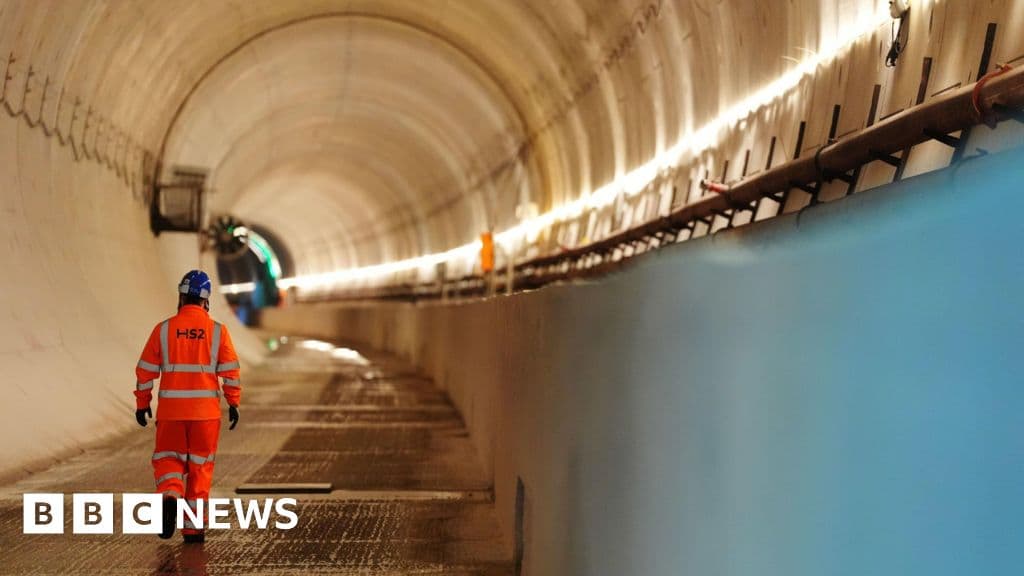
HS2 rail line's issues attributed to high-speed focus and political pressure, review reveals.

Political executions are rising in Iran, with Mehrab Abdollahzadeh fearing for his life on death row.

Inside Ukraine's front line: New weapons and the struggle for survival.
See every story in News — including breaking news and analysis.
Women are also more likely to work part-time or leave work entirely because of caring responsibilities, excluding them from automatic enrolment in workplace pension schemes.
The commission said the UK has the second-worst gender pensions gap among rich countries in the 38-member Organisation for Economic Co-operation and Development, behind only Japan, despite near-equal state pension outcomes for men and women reaching retirement age in 2026.
It said solutions would require a “joined-up approach”, involving reforms to pensions policy and the labour market, including access to childcare.
Lady Drake said: “The evidence is clear. Women are approaching retirement with half the pension wealth of men, and without further action, this difference will persist.
“The gender pensions gap is not simply a reflection of the pay gap, it is shaped by a system that has not yet fully accounted for the realities of many women’s working lives, including career breaks for caring, part-time work, and the motherhood penalty we have identified.
“As this commission moves towards recommending solutions, it will be looking at pension policy measures which can help to reduce the gap – something I believe employers, pension providers and policymakers will need to work on together.”