
San Francisco immigration court shuts down, striking at heart of historic advocacy
San Francisco immigration court closure forces asylum seekers to travel hours to Concord
NPR Topics: News1 min read
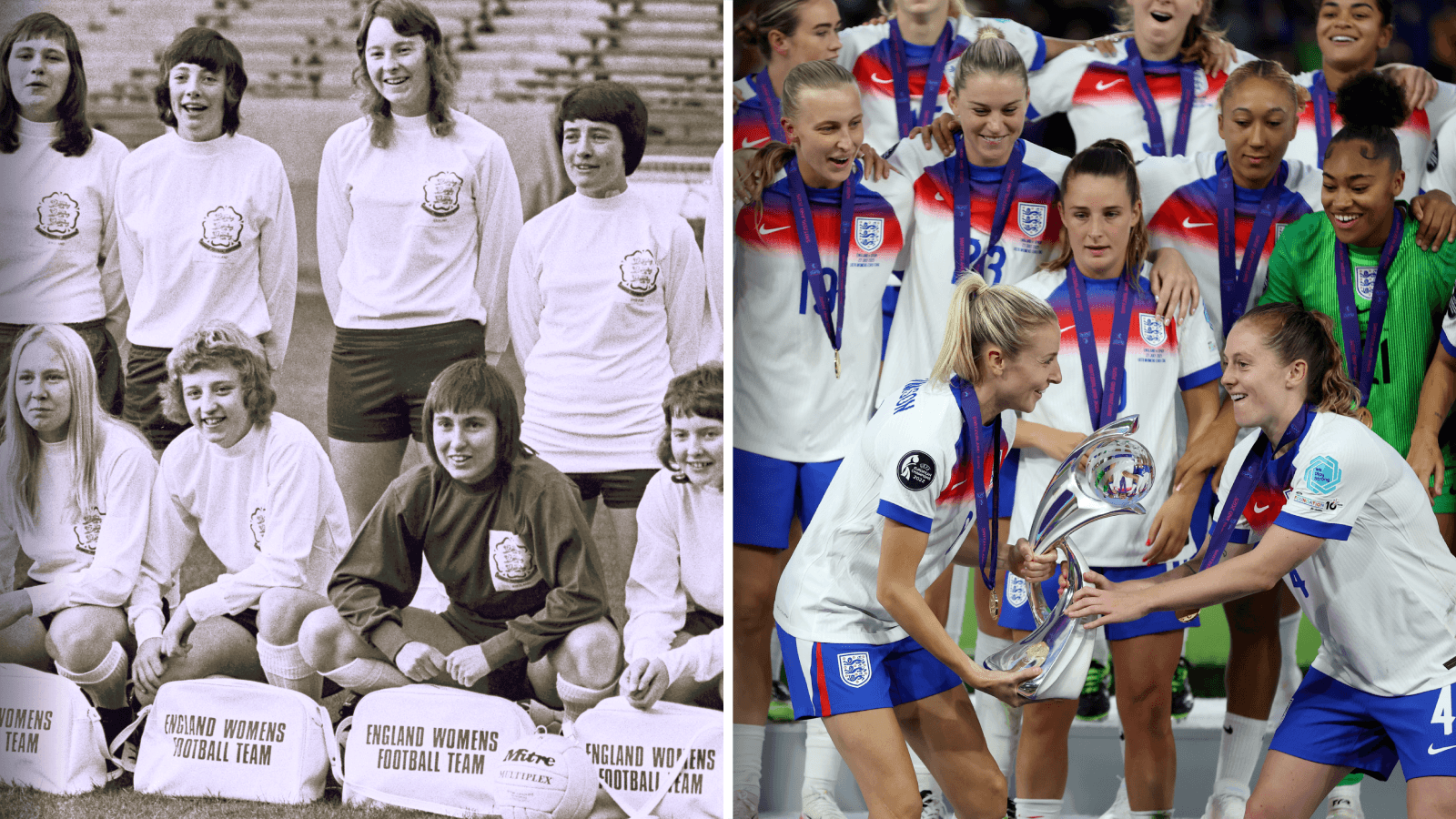
England's Lionesses will play their 500th match against Iceland on Saturday, marking a significant milestone for the senior women's team. The game is crucial for World Cup qualification in Brazil.
Mentioned in this story
England's Lionesses are no strangers to making history.
The past decade has been rich in landmark moments; a first tournament medal, a first major trophy, and a first title defence - on foreign soil to boot.
When Sarina Wiegman's side play Iceland in Reykjavik on Saturday (17:30 BST) they will reach another milestone - the 500th fixture for England's senior women's team.
The game is important for securing qualification for next year's World Cup in Brazil, with England keen to win more silverware in the famous white shirt.
But regardless of the result, the match will be etched in history as a reminder of how far the English women's game has come.
In 1921, the Football Association (FA) banned women's football, considering the game "most unsuitable for females", external.
The decision consigned women's football to park pitches and small venues for half a century before the decision was overturned in 1971.
To mark 500 not out, BBC Sport takes a look at 11 defining moments in the history of England's women.
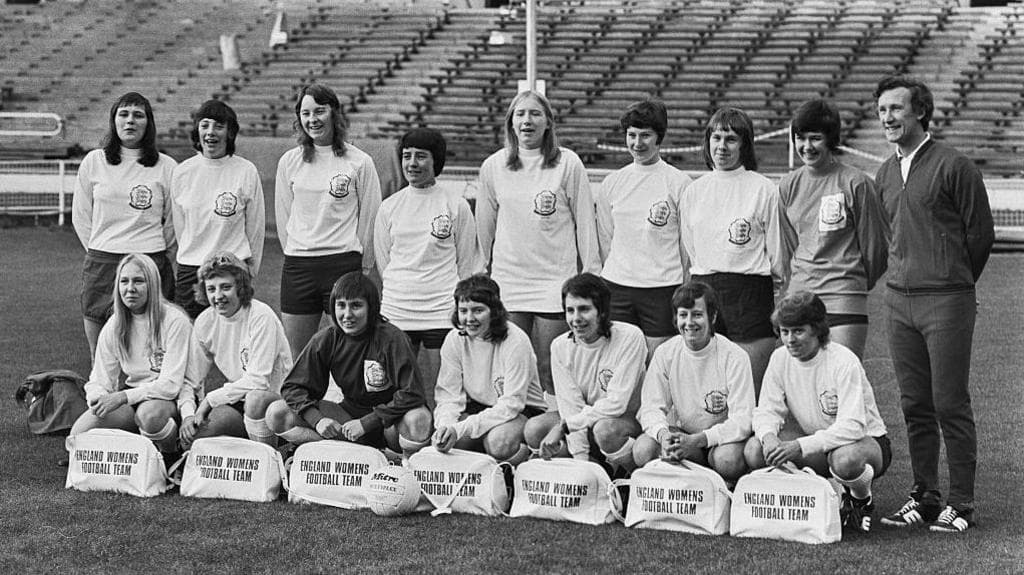
Image caption,
The England women's team trained at Wembley Stadium before heading up to Greenock for their match against Scotland
The moment it all began - officially.
Although an unofficial England side had played in front of 90,000 fans in Mexico's Azteca Stadium in a global women's tournament in 1971, this was the first proper Women's Football Association (WFA) England team.
It was November 1972 and England travelled north to face Scotland at Ravenscraig Stadium in Greenock.
In front of 400 fans, the Lionesses edged a thrilling game, coming from behind to secure a 3-2 victory.
A year later, the teams played again for England's first official home match and the Lionesses claimed a in Nuneaton.
The Lionesses will reach their 500th fixture as England's senior women's team.
The match is important for securing qualification for next year's World Cup in Brazil.
In the past decade, the Lionesses have won their first tournament medal, their first major trophy, and successfully defended a title on foreign soil.
The Lionesses' 500th match will take place on Saturday in Reykjavik at 17:30 BST.
San Francisco immigration court closure forces asylum seekers to travel hours to Concord

Bill Gates set to appear before Congress regarding his ties to Jeffrey Epstein.

The 2026 FIFA World Cup is starting soon! Here’s what you need to know.
Wales fans face a tough choice on who to support at the World Cup.

Ehud Barak warns against repeating past mistakes in Lebanon as troops engage Hezbollah.

Democrats rally behind Platner after Maine primary win, while Trump reinforces GOP control.
See every story in News — including breaking news and analysis.
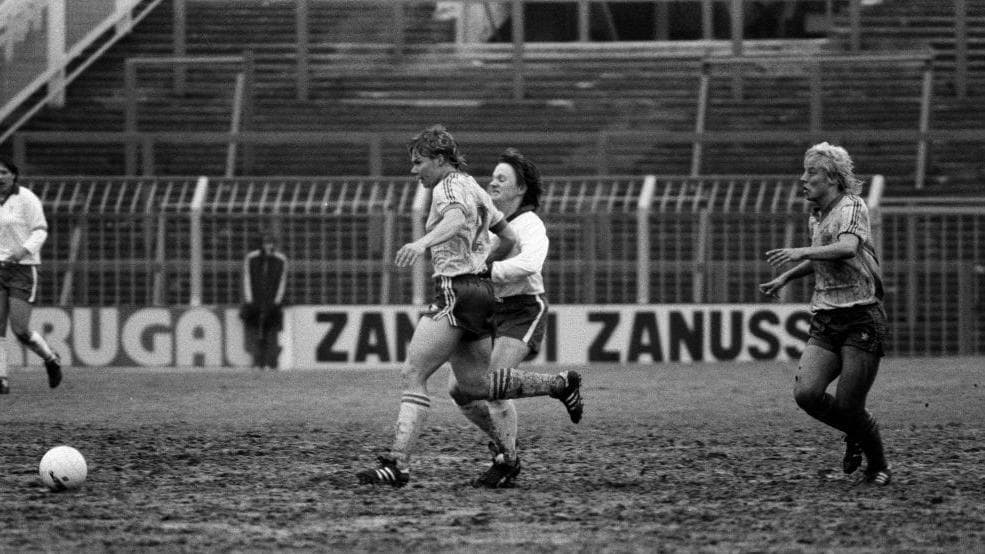
Image caption,
The Uefa competition for national representative women's teams predated the Women's Euros
England made their major tournament debut in 1984, competing as one of four teams in a Uefa competition that was a precursor to the Women's Euros.
After overcoming Denmark 3-1 over two games, they faced a two-legged final against Sweden.
The Swedes won the first encounter in Gothenburg thanks to teenager Pia Sundhage's strike, but Linda Curl's goal settled the second in England's favour at Luton Town's Kenilworth Road.
The trophy was decided by a penalty shootout, with Sweden prevailing 4-3 after Curl was unable to convert her spot-kick.
England women played at Wembley Stadium for the first time in 1989, taking on old rivals Sweden to celebrate the 20th anniversary of the WFA.
The match was played prior to an England men's Rous Cup fixture against Chile, with about 3,000 fans arriving early to watch.
Sundhage opened the scoring, just as she had five years earlier in Gothenburg, before strike partner Lena Videkull made the victory safe for the visitors.
A record-low 15,628 fans attended the following men's match, which ended 0-0.
The WFA had been set up in 1969, but struggled to keep up with the sport's growth so the committee voted to pass control to the FA in 1993.
While the WFA had relied largely on volunteers, the FA had the resources and finances to develop and professionalise operations.
In 1994, the FA launched the first Women's Premier League (FAWPL), and was running the WFA Cup, National League and League Cup competitions.
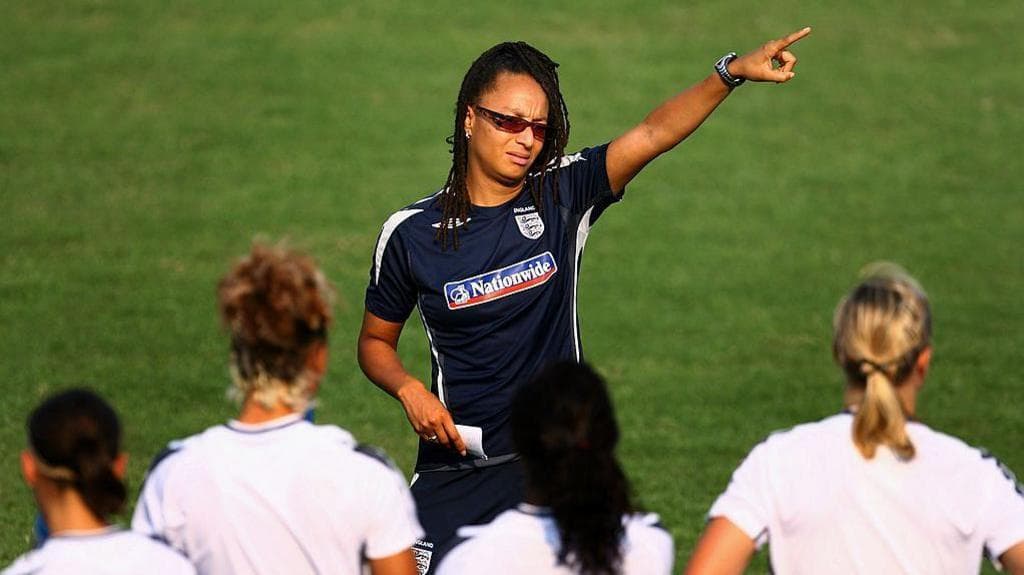
Image caption,
Hope Powell served as England manager for 15 years between 1998 and 2013, managing 162 games
In 1998, Hope Powell was appointed the first full-time coach of the England women's senior team as part of plans to develop the national game.
On the pitch she transformed the Lionesses, leading them to six major tournaments, culminating in final of Euro 2009 in Finland, which Germany won 6-2.
Off the pitch, Powell was a leading voice behind a wholesale restructure of the game, most notably helping to establish the FA National Player Development Centre, devising player performance strategies, and securing central contracts that allowed players to train and play full-time.
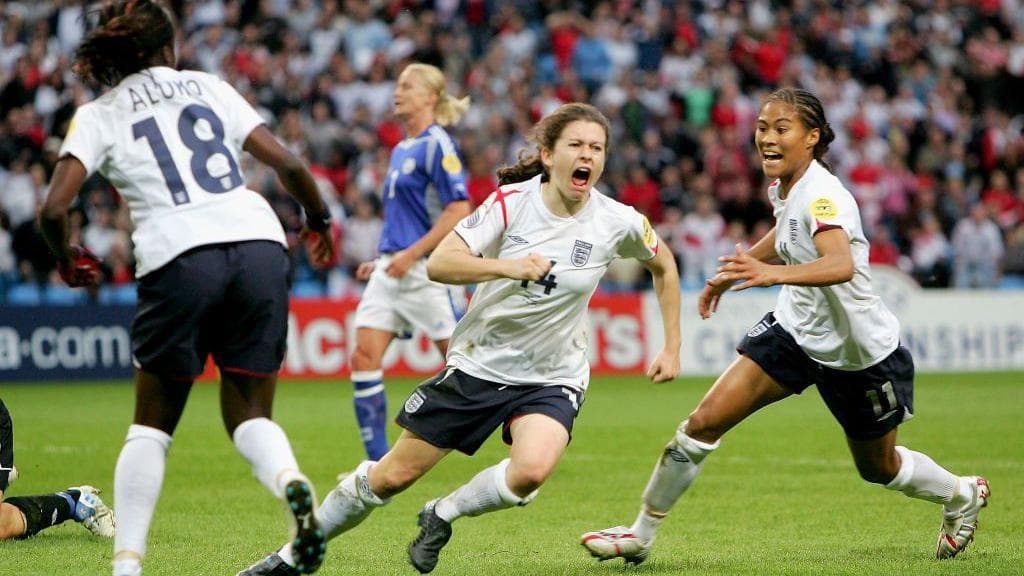
Image caption,
Seventeen-year-old Karen Carney scored the winning goal against Finland in the Euro 2005 opener in Manchester
The year 2005 was pivotal as England hosted a major women's tournament for the first time.
The European Championship demonstrated the Lionesses could attract big crowds, with 29,092 fans attending their opening game against Finland at City of Manchester Stadium, and further figures of 14,695 and 25,694 for games against Denmark and Sweden at Blackburn Rovers' Ewood Park.
It also illustrated broader interest in the women's game across the country, with the final between Germany and Norway attended by 21,105 spectators.
The BBC broadcasted all England's games and the final, with the Sweden fixture peaking at three million viewers.
In 2009 the FA made another big move towards further professionalising the women's game by offering central contracts.
Initially 17 players were granted deals, allowing them to train and play full-time, and get adequate rest time, without the pressure of balancing football around alternative full-time employment.
"We hope this will allow our girls time to concentrate on helping England qualify for major tournaments on a consistent basis and competing at the very top level against the best teams in the world," said head coach Powell.
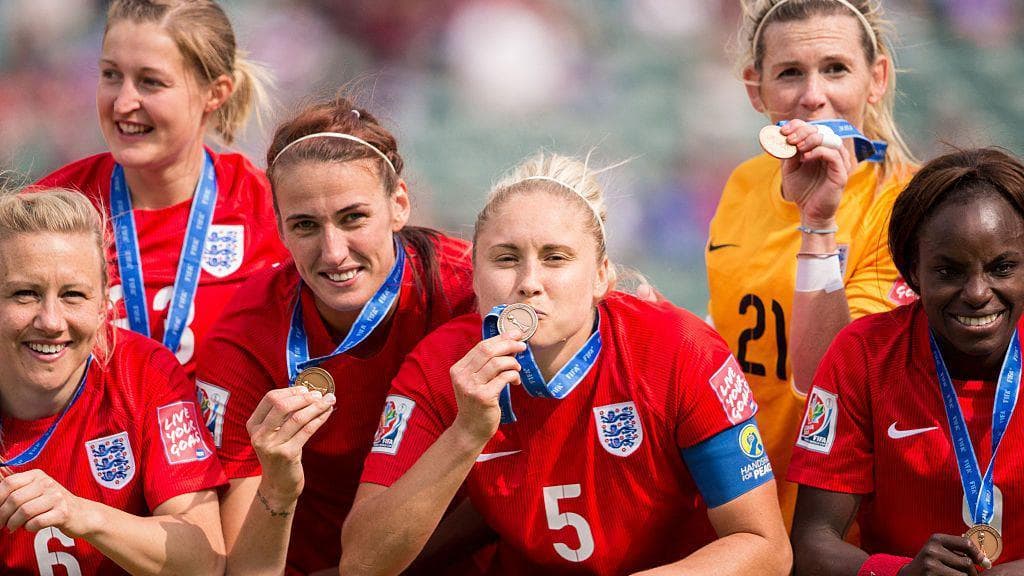
Image caption,
The Lionesses had not beaten Germany in 20 attempts leading up to their third-place play-off win in Canada
England women won a medal for the first time at a World Cup when they finished third in Canada in 2015.
It was a superb campaign as the Lionesses surpassed expectations before being eliminated in heartbreaking fashion as centre-half Laura Bassett's stoppage-time own goal settled the semi-final against Japan.
Nevertheless, Mark Sampson's side rallied for the third-placed play-off, and Fara Williams' extra-time penalty ensured England beat Germany for the first time in 31 years to clinch the bronze medal.
Despite the time difference, the Lionesses were followed by fans back home, with up to 2.5 million watching each game and 11.9 million in total watching some part of their journey.
Image gallery 1Skip image gallery
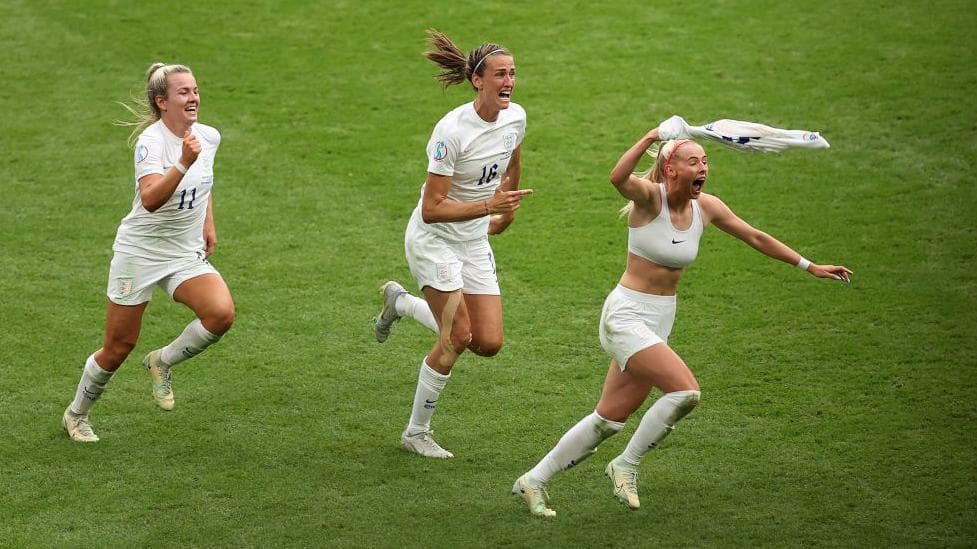
Image source, Getty Images
Image caption,
Chloe Kelly celebrates after scoring the winner in 2022 Euros final
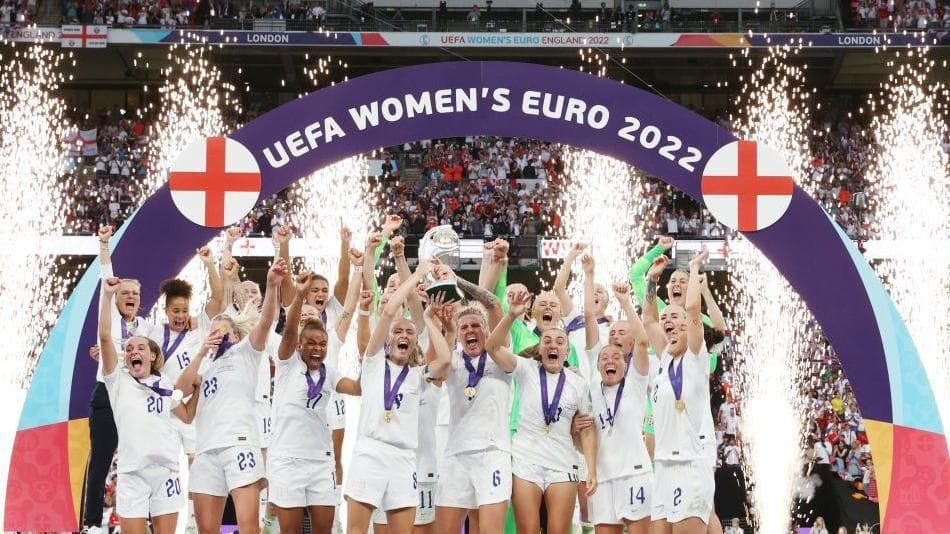
Image source, Getty Images
Image caption,
England lift the Euros trophy at Wembley
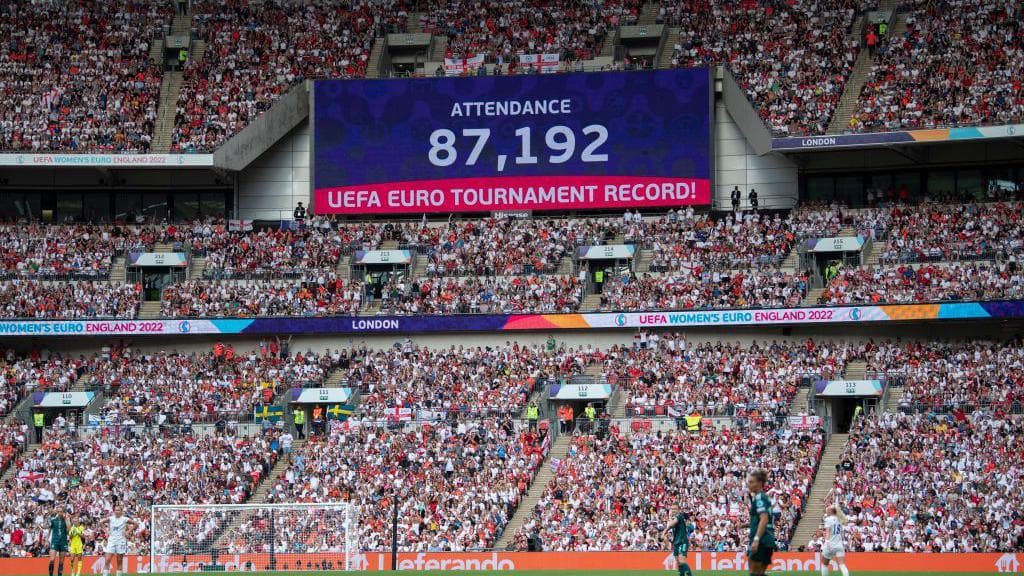
Image source, Getty Images
Image caption,
The 2022 final attendance was a tournament record
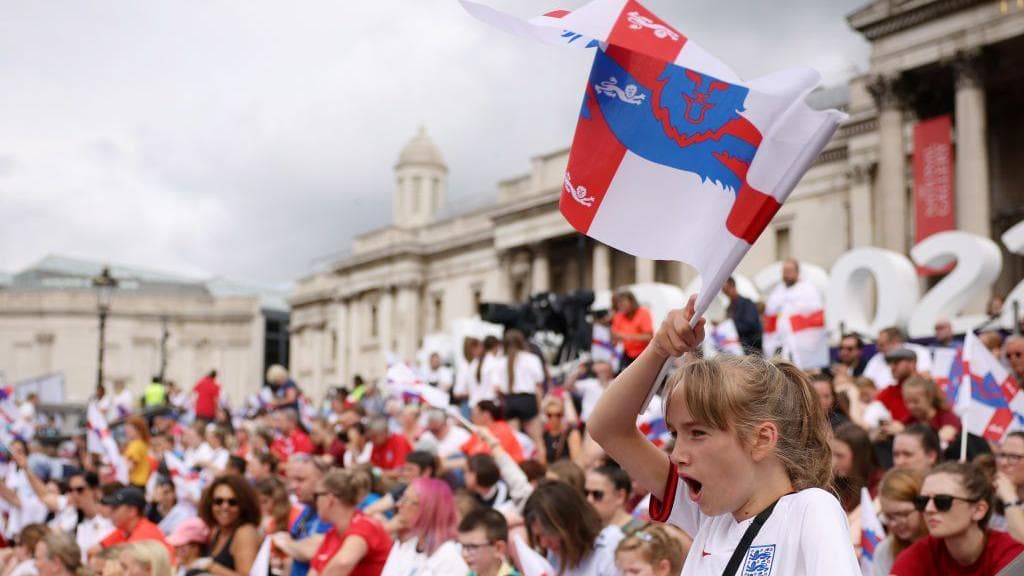
Image source, Getty Images
Image caption,
Fans gathered in Trafalgar Square to watch the trophy parade
1 of 4
Slide 1 of 4, Chloe Kelly celebrates after scoring the winner in 2022 Euros final, Chloe Kelly celebrates after scoring the winner in 2022 Euros final
End of image gallery
In 2022, the Lionesses became household names as they won their first major trophy.
An edgy 1-0 win over Austria kicked off the campaign before they thumped Northern Ireland and two-time winners Norway to top Group A.
In the quarter-finals, Georgia Stanway's rocket completed a remarkable comeback over pre-tournament favourites Spain, before Sweden were swatted aside in the semi-final, Alessia Russo's backheel the pick of four unanswered England goals.
Like Sir Alf Ramsey's 1966 World Cup-winning side, Sarina Wiegman's Lionesses wrote their names into history at Wembley.
There were 87,192 in attendance as they defeated Germany 2-1 in the final in extra time courtesy of Chloe Kelly's toe-poke.
Raucous celebrations followed with goalkeeper Mary Earps leading a dance on the media conference tables and thousands flocking to Trafalgar Square a day later to watch the newly crowned champions parade the trophy.
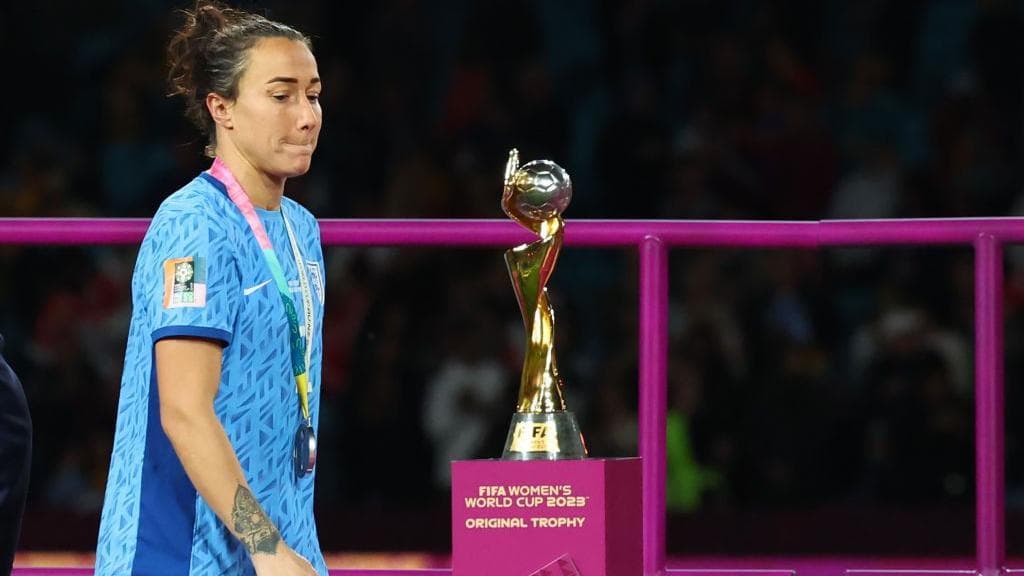
Image caption,
Lucy Bronze (above) and Alex Greenwood were the only two to feature in England's 2015 bronze medal match and the World Cup final against Spain
As reigning European champions England headed to Australia as one of the favourites for the 2023 World Cup, albeit without injured captain Leah Williamson and striker Beth Mead, both absent with anterior cruciate ligament (ACL) injuries.
After three wins from three in the group stage, they battled past Nigeria, Colombia and hosts Australia to reach the final in Sydney.
However, their World Cup adventure ended in heartbreak as they fell to a 1-0 defeat by Spain.
Image gallery 2Skip image gallery
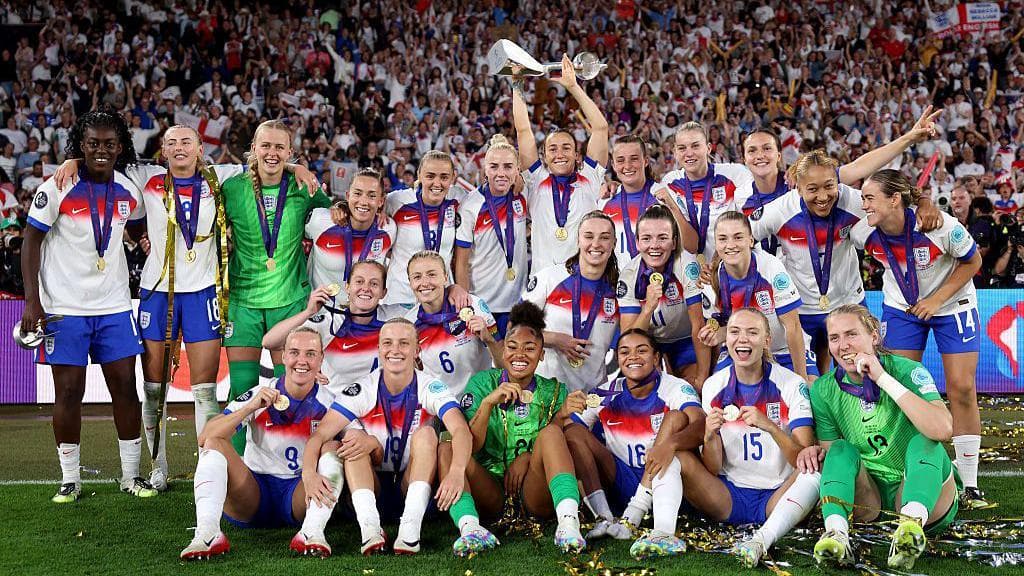
Image source, Getty Images
Image caption,
The victory marked the first time an England senior team had defended a trophy and the first time England had won a trophy on foreign soil
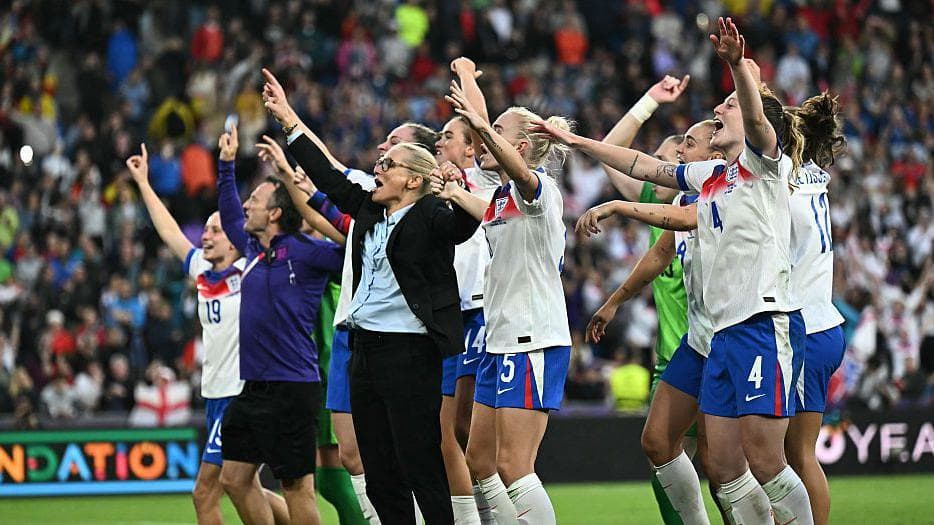
Image source, Getty Images
Image caption,
The 2025 Euro success was Sarina Wiegman's third, after guiding England to their maiden title in 2022, and her home country the Netherlands to glory in 2017
1 of 2
Slide 1 of 2, England players celebrate with the trophy in front of the travelling fans, The victory marked the first time an England senior team had defended a trophy and the first time England had won a trophy on foreign soil
End of image gallery
After winning their maiden title three years earlier, and reaching a World Cup final in the interim, there was huge pressure on the Lionesses to deliver a strong European Championship defence in Switzerland.
It started badly, with a 2-1 defeat by fellow contenders France, but from that point on Wiegman's side accelerated.
Emphatic wins over the Netherlands and Wales granted access to the knockout stage, before a nail-biting shootout win against Sweden and a last-gasp victory over Italy secured a final rematch against world champions Spain.
It was another tight contest that went the distance, with Kelly's contribution once again proving decisive as she scored the final penalty in a shootout to defend England's status as European champions.