
How to help children cope after shootings like the San Diego mosque killings
San Diego mosque shooting leaves three dead; how to support children affected
NPR Topics: News1 min read

A former health minister with terminal cancer has urged MPs against reviving the assisted dying bill. Ashley Dalton, facing metastatic breast cancer, believes the bill should not be brought back despite support from some lawmakers.
Mentioned in this story
A former public health minister facing terminal cancer has urged MPs not to bring back the assisted dying bill.
The Labour MP Ashley Dalton revealed she would be on lifelong treatment for metastatic breast cancer which has spread throughout her body – but said her parliamentary colleagues should not revive the bill which would legalise an assisted death to those with a terminal illness.
The ballot for a new round of private members’ bills will be drawn on Thursday morning. Backers of assisted dying hope to bring back the bill, which ran out of time to pass after it was talked out by the Lords in the last parliamentary session, despite passing the Commons.
Supporters hope they can use the Parliament Act to bypass further blocks by the House of Lords, where the bill ran out of time for debate because opponents laid more than 1,000 amendments. Peers who opposed the bill said it was fundamentally flawed.
Dalton, 53, has not made an intervention before on the bill because she was serving as a government minister. She resigned from the role in March to focus on her cancer treatment so she could continue serving as a constituency MP for West Lancashire.
**“**I’ve got incurable but treatable breast cancer,” she said. “Two years ago, I had some symptoms and they found a large tumour on my ovaries. And when they took it out and tested it, it was breast cancer which had spread.
“I’ll be on treatment forever. My breast cancer is what they call triple negative, which means it doesn’t respond to hormone treatment. I spent about 10 months on an oral chemotherapy and that recently stopped working. So I’ve just started on an intravenous chemotherapy, so I’ll be on that for as long as that works.”
Dalton said she had found it hard to hear MPs speaking in the chamber about the bill and not be able to speak about her own feelings on having a terminal diagnosis. The bill, tabled by the Labour MP Kim Leadbeater, would legalise assisted dying for those with a terminal illness with less than six months to live.

The assisted dying bill aims to legalize assisted death for individuals with terminal illnesses.
Ashley Dalton opposes the bill due to her personal experience with terminal cancer and believes it should not be revived.
The bill ran out of time for debate in the House of Lords after passing the Commons, largely due to over 1,000 amendments proposed by opponents.
Supporters hope to use the Parliament Act to bypass further delays and revive the bill in the next parliamentary session.
San Diego mosque shooting leaves three dead; how to support children affected
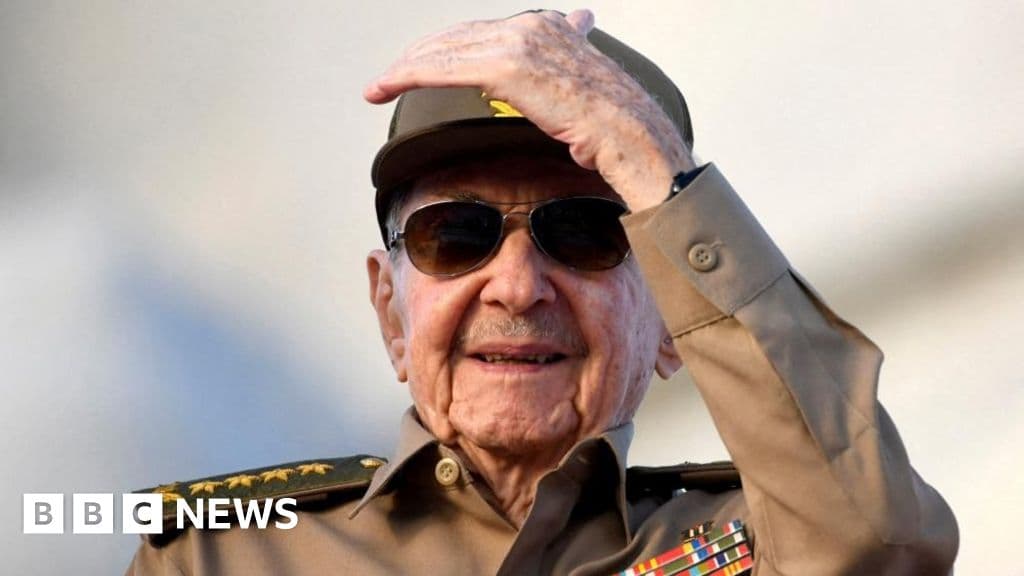
Raúl Castro charged with murder by US over 1996 plane downing, reviving old charges.

Young Americans demand court halt to Trump's pollution rollbacks

James Murdoch to acquire New York Magazine and Vox Media Podcast Network for over $300 million.
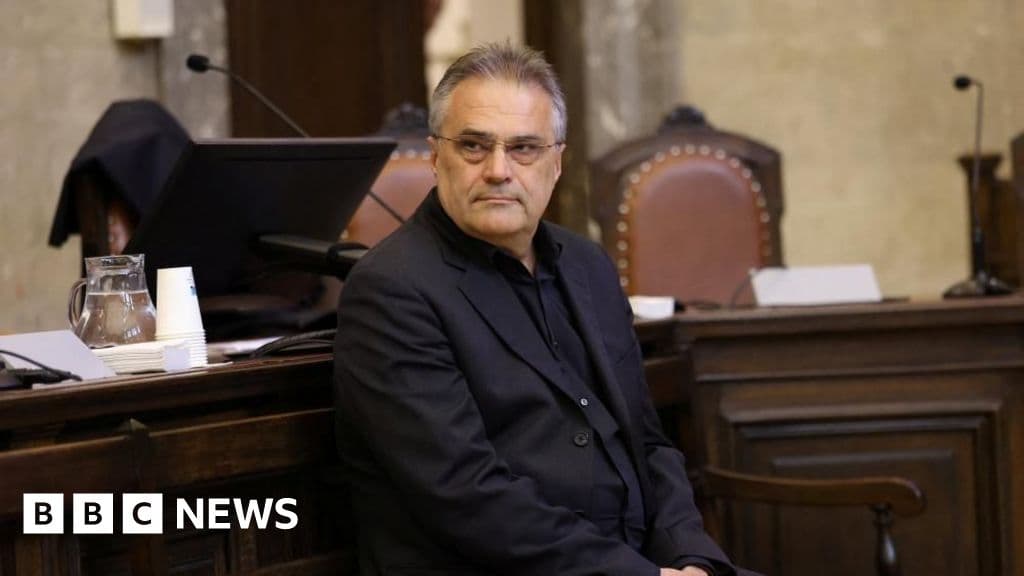
Egisto Ott, former Austrian intelligence officer, convicted of spying for Russia.

Michael Bay set to direct a film on US military rescue mission in Iran
See every story in News — including breaking news and analysis.
Ashley Dalton said the bill ‘has been so difficult, so divisive and so complicated’. Photograph: Sean Smith/The Guardian
Dalton said she had always been personally opposed to assisted dying but it had been more important to her to legislate properly, despite her own view.
“I found that really frustrating actually, because I hadn’t gone public with my diagnosis at that stage, but I was dealing with it. I’d had surgery. I knew that I had an incurable cancer,” she said. “I did find it difficult when people said, ‘I’ve got first-hand experience of this’ and then told a very secondhand experience*.”*
Dalton said she was not “dogmatically against” assisted dying but by the time the bill got to its third reading, she believed the bill was “a pretty dangerous set of affairs”.
“A lot of amendments were rejected that I think could have made it a lot stronger,” she said. “I’m not saying I would definitely have supported it, but it certainly would have got me further down the road towards doing so.”
She said she was relieved the bill had fallen in the Lords, because of the number of questionmarks which remained about how it could be applied.
“I think it’d be really foolish to be honest, to bring back something as a private member’s bill that has been so difficult, so divisive and so complicated,” she said.
“It is our responsibility of members of the Houses of Parliament to make good law. And that means detail, it means specifics. It means making sure that what we do doesn’t have unintended consequences that affect some of the most vulnerable people.”
Dalton, who sat beside her former boss Wes Streeting as he gave his resignation speech in the Commons on Wednesday, said she feared the bill could put more pressure on an already deeply divided Labour party.
**“**The Labour party [is] split down the middle – we’re not going to be able to unite on assisted dying. We’re looking at potentially a leadership challenge, we’re looking at having to really put in the hard yards to win back the trust of people in this country. Do we really want to spend political capital on opening up more division?”