
FDA panel considers a first-of-its-kind flu vaccine using mRNA technology
FDA considers Moderna's mRNA flu vaccine, mFlusiva, for those 50 and older.
The Guardian World1 min read

Amnesty International has accused the Allied Democratic Forces (ADF) of mass war crimes in eastern Democratic Republic of Congo, including murder and sexual abuse. The report highlights the extensive brutality faced by civilians amid the ADF's ongoing military campaign.
Mentioned in this story
Amnesty International has accused a rebel group in eastern Democratic Republic of Congo (DRC) of mass war crimes and crimes against humanity.
In a damning new report published Monday, the rights group said the Allied Democratic Forces (ADF) was behind multiple cases of murder, abductions, forced labour and marriage, sexual abuse of women and girls, and the exploitation of children.
The report is entitled “I’d Never Seen So Many Bodies: War Crimes by the Allied Democratic Forces in the eastern Democratic Republic of Congo”.
The ADF has been involved in a years-long military campaign against central authorities in Kinshasa and pledged allegiance to ISIS/ISIL, also known as ISIS-Central Africa, in 2019.
“Civilians in the eastern DRC have suffered extensive brutality at the hands of ADF fighters. They have been killed, abducted and tortured in a dehumanising campaign of abuse,” Agnès Callamard, Amnesty International’s secretary general, said.
“The ADF’s violence is contributing to an escalating humanitarian crisis… These abuses constitute war crimes which the world must not continue to ignore.”
The ADF largely operates in eastern DRC, near the Ugandan border, and has for years been in conflict with the government’s Armed Forces of the Democratic Republic of Congo (FARDC), along with the UN mission MONUSCO.
Repeated ADF attacks have led to mass displacement in parts of the DRC and limited the population’s access to healthcare, food and education.
A rebellion by the Rwanda-backed March 23 Movement, better known as M23, has worsened the situation for civilians in the region, while the ADF has taken advantage of international and domestic focus on these attacks to intensify its own military operations in eastern DRC.

DRC soldiers search for ADF rebels near Beni in North-Kivu province [Kenny Katombe/Reuters]
Amnesty interviewed 71 people, including survivors of ADF attacks, as well as humanitarian workers and police officers, as part of its research in North Kivu province, eastern DRC, where the violence is most prominent.
In one notorious attack on Ntoyo village in September 2025, ADF fighters allegedly disguised themselves as mourners and used hammers, machetes, guns and axes to kill more than 60 people at a wake.
The ADF has been accused of mass murder, abductions, forced labor, sexual abuse, and exploitation of children.
The ADF has been involved in a military campaign against central authorities in Kinshasa for several years.
The ADF pledged allegiance to ISIS/ISIL, also known as ISIS-Central Africa, in 2019.
The report states that civilians in eastern DRC have suffered extensive brutality, including killings, abductions, and torture.
FDA considers Moderna's mRNA flu vaccine, mFlusiva, for those 50 and older.

Amber heat warnings issued as southern England braces for heatwave

High-stakes Supreme Court rulings on birthright citizenship and immigration expected today.
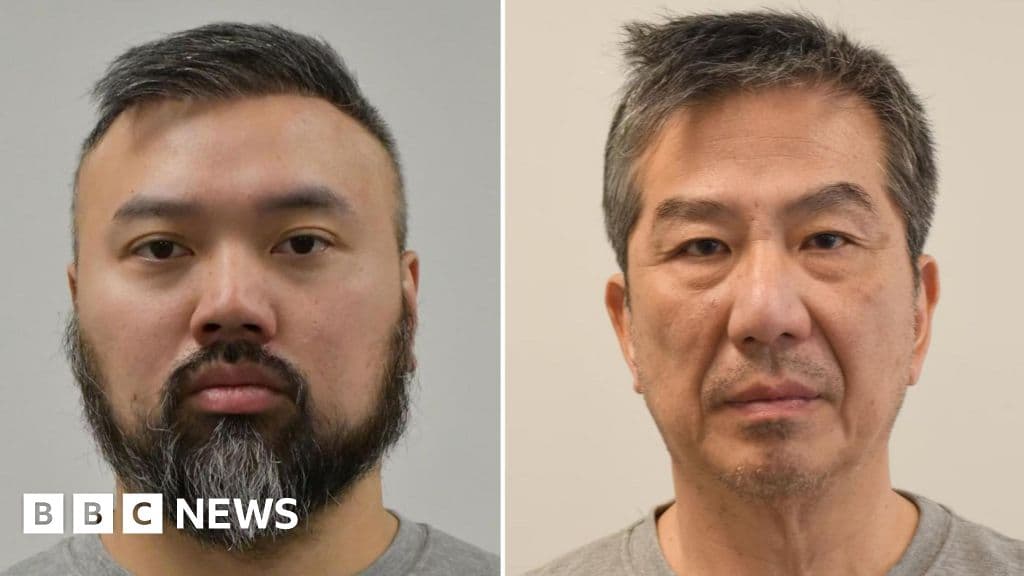
Two men sentenced for assisting Chinese intelligence in the UK, threatening national sovereignty.

Great Britain's major rail operators are now mostly public. Is it working?

World Cup update: 75 goals scored, 9 draws in 24 matches!
See every story in News — including breaking news and analysis.
Another attack two months later in nearby Byambwe village saw at least 17 civilians killed, with four wards at a hospital set ablaze. A survivor told Amnesty that the fighters “shot anything that moved” at the church-run medical facility.
Amnesty also spoke to five women and two girls who had been forced into marriages with ADF fighters, with interviewees indicating that members of the group were given “wives” as an incentive to fight the government. Under threat of death, victims were made to convert to Islam and suffered sexual and physical violence, with several women forced to watch the killings of others who had refused the group’s orders.
Amnesty documented 46 cases of abduction, including hostages being held for ransom, enduring torture, sexual slavery, forced labour, or they were murdered. Some were made to carry heavy loads for days, receiving beatings and given little food during their ordeal.
“They taught us how to kill with weapons and with blades,” a woman who escaped after two years told Amnesty. “In the bush, you had to do what you were told. You cannot be weak.”
Amnesty has called on authorities in the DRC to do more to protect civilians and urged the government to work with the UN and local communities to improve early warning systems and to quickly respond to any attacks.
Witnesses said that security forces sometimes arrived late at the scenes of ADF attacks or not at all. Peace and reintegration programmes were also essential to help survivors and communities to cope with their trauma.
“The Congolese government must take far stronger action to ensure the protection of civilians,” Callamard said, warning that disregarding the ADF threat would undermine security and human rights in the country.
“The international community must steadfastly support the Congolese state in improving efforts to protect civilians, ensuring justice, and providing long-term, sustainable support to victims and survivors.”