
Angus Taylor accused of ‘dog-whistling’ and marginalising immigrants over plan to cut benefits to non-citizens
Angus Taylor's proposal to cut benefits for non-citizens sparks criticism from Albanese
The Guardian World1 min read

Protests in Bolivia led by mining groups have escalated into clashes with law enforcement, featuring explosions in La Paz. The unrest stems from a severe economic crisis, marked by inflation and dwindling natural gas reserves.
Mentioned in this story
Demonstrators, led by mining groups and rural unions, have clashed with law enforcement in Bolivia as tensions simmer over the country’s economic crisis, the worst in decades.
On Thursday, small explosions were heard in the midst of the protest in La Paz, credited to miners setting off small sticks of dynamite. Some protesters were reported as attempting to breach the presidential palace.
The unrest follows weeks of road blockades, as miners, farmers, teachers and rural workers express frustration over the country’s ongoing economic turmoil.
Bolivia used to be a major exporter of natural gas, but in recent years, its reserves began to shrivel, and its production has plummeted. Now, rather than being a fuel exporter, it has become a net importer, reliant on oil and natural gas from abroad.
The collapse of the natural gas industry has been coupled with dwindling supplies of foreign currency in the country. The result has been soaring inflation, supply shortages and higher prices.
Bolivians have experienced long lines for fuel, and hospitals have reported a lack of basic supplies like oxygen and medication.

Demonstrators from mining unions take part in a protest against President Rodrigo Paz’s government in La Paz, Bolivia, on May 14 [Claudia Morales/Reuters]
Centre-right leader Rodrigo Paz was elected in October last year in part on a promise to address the economic tailspin.
His victory marked a political sea change in Bolivia. For much of the past two decades, except for a brief period in 2019, the country has been governed by the Movement Towards Socialism (MAS).
The decline of MAS has been credited, in part, to the uproar over the economy.
But on Thursday, Paz likewise faced calls from protesters for his resignation, just as his MAS predecessor Luis Arce had.
Earlier in the day, a group of 20 miners were invited to the presidential palace to meet with Paz and discuss their demands, according to the Reuters news agency.
Ahead of the meeting, Economy Minister Jose Gabriel Espinoza said his government was “open to dialogue”.
The protests were triggered by frustration over Bolivia's severe economic crisis, including inflation and dwindling natural gas reserves.
Protesters, led by miners and rural unions, have clashed with law enforcement and set off small explosions during the demonstrations.
Bolivia's natural gas industry has collapsed, leading to a shift from being a fuel exporter to a net importer, which has exacerbated the economic crisis.
The economic turmoil has resulted in soaring inflation, supply shortages, and higher prices for basic goods.
Angus Taylor's proposal to cut benefits for non-citizens sparks criticism from Albanese
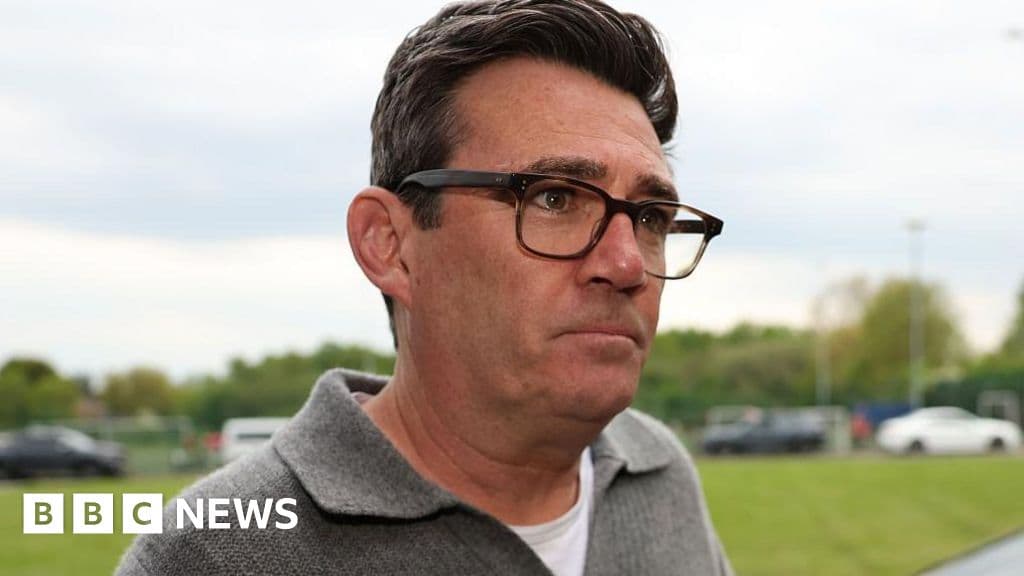
Andy Burnham's route back to Parliament is clearer, but a hurdle remains.

Scheffler shares lead as Aronimink proves tough at US PGA Championship

A brutal raid by a Russian vigilante group disrupts a woman's birthday celebration, highlighting rising anti-LGBT sentiment.

Australia's housing affordability is predicted to decline, with rents increasing and homelessness potentially quadrupling in the next decade due to climate change and inadequate housing policies.

Eurovision director welcomes Canada to join the song contest.
See every story in News — including breaking news and analysis.
Among the issues reportedly discussed were fuel subsidies, welfare benefits and changes to an agrarian reform measure, Law 1720, that was repealed on Wednesday after outcry.
Still, officials have refused demands that Paz step down. “The president is not going to resign,” Mauricio Zamora, the minister of public works, services and housing, said earlier this month.
Some of Paz’s allies have blamed the unrest on former President Evo Morales, a former trade union leader who continues to draw popular support in Bolivia’s rural areas.
Morales, who led Bolivia from 2006 to 2019, previously supported protests against Paz’s predecessor Arce, after splitting from MAS.
He is also the subject of an arrest warrant: Morales has been accused of statutory rape and was held in contempt of court for failing to show up to a hearing last week.
A prolific social media user, Morales posted multiple times on Thursday about the protests, accusing the government of using him as a scapegoat. He also echoed calls for officials to address the shortages of food, fuel and other basic supplies.
“They believe that the thousands of Bolivians currently protesting — in the streets and on the roads — are merely obeying a single individual,” Morales wrote in one post.
“The outraged are driven by their social conscience and their fury against a government that, from day one, betrayed its constituents and the nation.”