
Mississippi governor cancels special legislative session to redraw state supreme court maps
Mississippi governor cancels special session to redraw court maps, plans congressional redistricting by 2027.
The Guardian World1 min read

The European Commission proposes a streamlined ticketing system for cross-border train journeys by 2029, allowing passengers to buy one ticket for multiple journeys. This initiative aims to enhance passenger rights and simplify the booking process.
Mentioned in this story
Cross-border train journeys through several European countries are the stuff of many a holidaymaker’s dreams.
But the reality of trying to buy the tickets, navigating multiple websites without knowing who can help if a connection is missed, can prove less than relaxing. As one MEP puts it, it can often require “five tabs, three apps and a prayer”.
Now, however, the European Commission has proposed that before the end of the decade passengers should be able to buy one ticket for one journey and be better protected when trains are late or cancelled.
“Europeans will be able with the click of a button to plan, compare and purchase multimodal journeys across borders while benefiting from stronger rail passenger rights, greater transparency and better protection every step of the way,” the EU transport commissioner, Apostolos Tzitzikostas, said on Wednesday, as he published new rules intended to transform the “excessively complex” experience he said rail travellers met when booking tickets.
Asked about the timing, he said: “Before the end of this commission mandate [in 2029] we will have this new era of rail on the ground working.”
Under the plans, major railway companies, such as Deutsche Bahn, SNCF and Trenitalia, would be forced to sell competitors’ tickets on their websites, and share data with booking platforms enabling an offer of single tickets for long cross-border journeys.
In an expansion of consumer protection laws, passengers would be entitled to help in the event of a missed connection: the operator that caused the delay would ensure the passenger has the right to hop on the next train, or reimbursement, food and accommodation, depending on the circumstances.

Passengers would be entitled to help in the event of a missed connection in an expansion of consumer protection laws.
Photograph: parkerphotography/Alamy
The plans have to be agreed by EU member states and the European parliament before they become law, and they already face stiff opposition from train operators. The Community of European Railway and Infrastructure Companies (CER) said: “Underneath the surface of this rosy vision lies unprecedented and unjustified regulatory interventionism.”
The CER said the rail tickets market “largely meets” customer expectations, citing where 73% of people said it was easy to book two or more connecting trains for one journey. But the same survey also found 43% of total respondents had not booked such journeys.
The European Commission proposes a single ticket system for cross-border train journeys, simplifying the booking process and enhancing passenger rights.
The new ticketing system is expected to be in place by the end of the European Commission's mandate in 2029.
The new rules aim to provide stronger rail passenger rights, greater transparency, and better protection for travelers when trains are delayed or canceled.
The proposal was announced by Apostolos Tzitzikostas, the EU transport commissioner.
Mississippi governor cancels special session to redraw court maps, plans congressional redistricting by 2027.
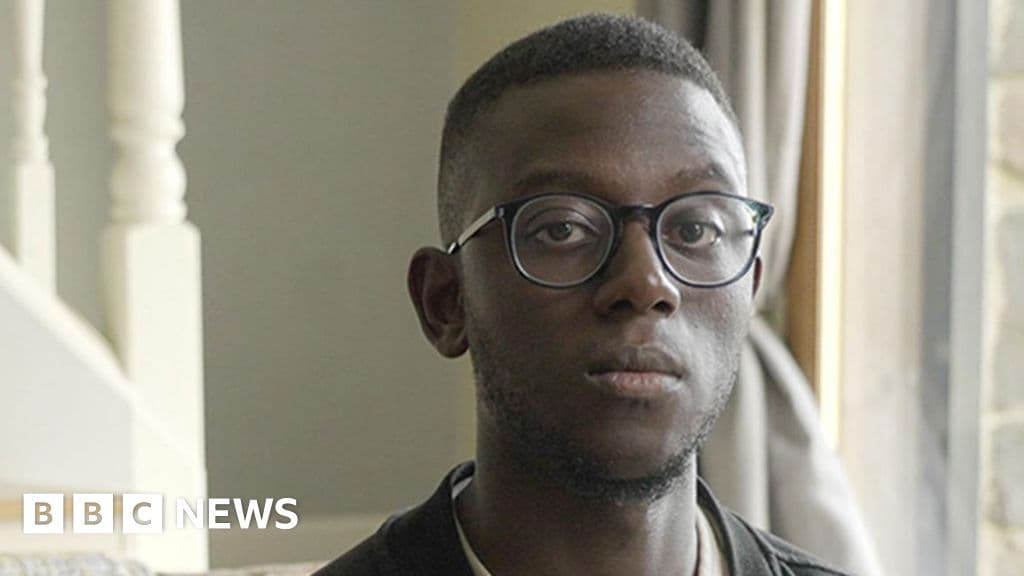
Elias Calocane feared his brother Valdo would take his own life during inquiry.

Utah mother who wrote a grief book convicted of murdering her husband faces sentencing.

In Gujarat, salt workers brave extreme heat and harsh living conditions.
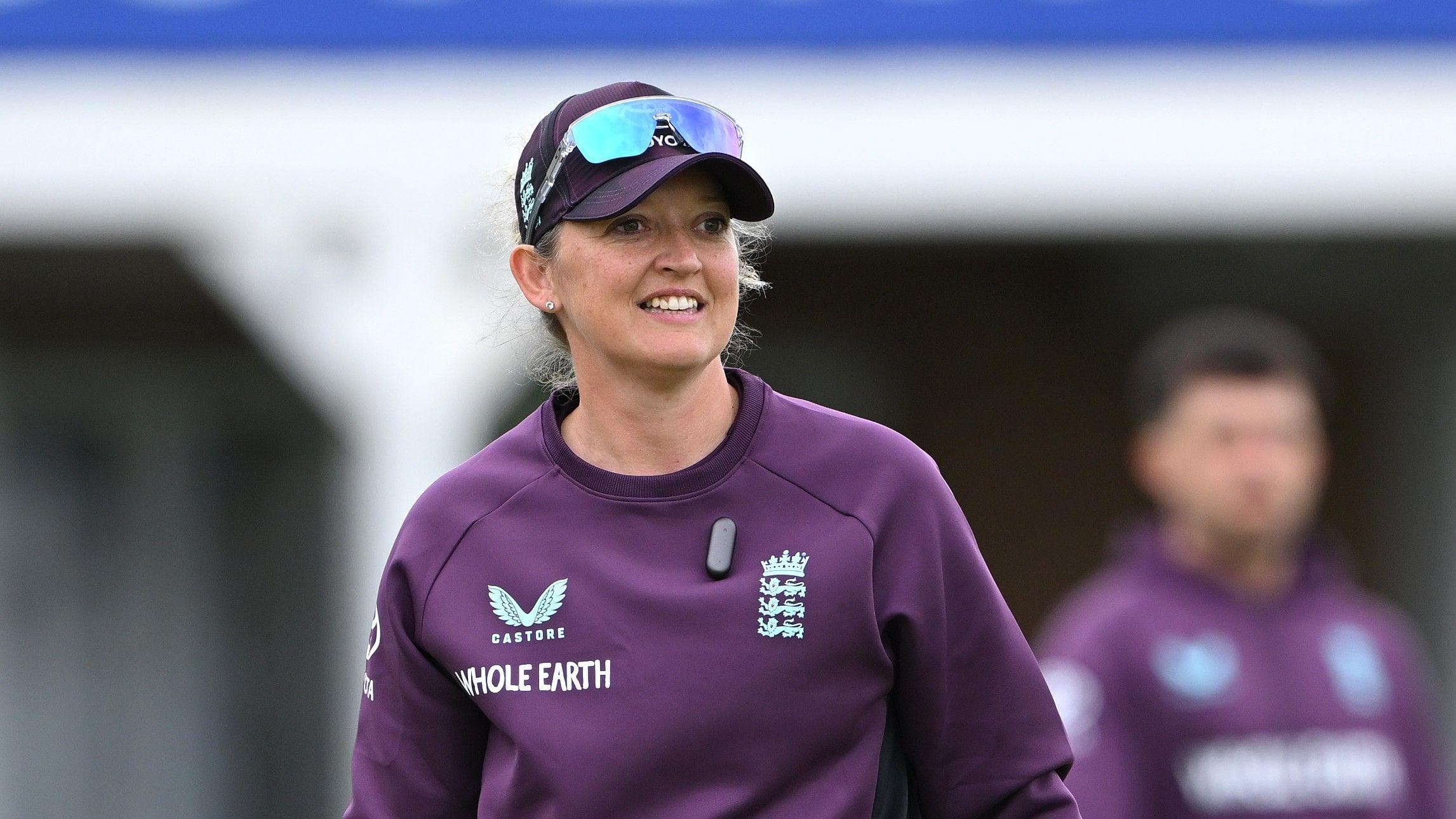
Sarah Taylor makes history as England's first female fielding coach for men's team

A UK study shows 1 in 7 people prefer AI chatbots for health advice due to long NHS wait times.
See every story in News — including breaking news and analysis.
The railway group also argues the plans would give too much power to large tech companies operating as booking platforms, enabling them “to dictate higher distribution fees and drive up ticket prices”.
In contrast, consumer groups welcomed the plans. “Booking a rail ticket has become far too complex in recent years. New EU rules would go a long way to making that easier, by opening up sales on more platforms,” said the head of the European Consumers Organisation, Agustín Reyna.
A 2025 YouGov poll of seven European countries found that two out of three long-distance rail passengers encountered difficulties when buying tickets, while 43% said they would take a train more often if ticket reservations were easier. A separate university study found that booking a train took 70% longer than booking a flight.

The EU transport commissioner, Apostolos Tzitzikostas, said passengers would benefit from stronger rights under the new rules. Photograph: Thierry Monasse/Getty Images
Responding to the charge of regulatory overreach, Tzitzikostas said the proposals were “100% pragmatic” and everyone, including rail companies, would see benefits when they were implemented.
Ticket prices, he predicted, would fall as a result because of greater transparency and competition: “As booking becomes simpler we expect more Europeans to choose rail more often.”
A study by Greenpeace in 2025 found flights were cheaper than trains on 54% of 109 cross-border routes. Rail travel also tended to be more expensive when multiple operators and tickets were involved, the NGO said. France, the UK, Spain and Italy were among the most expensive countries for cross-border rail.
Lena Schilling, an Austrian Green MEP on the European parliament’s transport committee, said: “Why does crossing EU borders by rail require five tabs, three apps and a prayer?”
The proposals, she added, needed to deliver on three points: “Seamless cross-border booking across Europe, full passenger rights and clear liability for the entire journey,and open access to ticketing data so travellers can book on the platform of their choice.”