
‘There’s wee girls inside’: panic as masked men storm house in Belfast
Chaos in Belfast: Masked men storm house, claiming to 'liberate' it
The Guardian World1 min read

The EU plans to expand its sanctions on Russia by targeting 80 additional entities and individuals linked to the war in Ukraine, potentially increasing the economic impact to $1.5 trillion. This move aims to undermine Russia's military capabilities and address human rights violations.
Mentioned in this story
The European Union is seeking to boost a $1.5 trillion hit on Russia’s economy by widening its sanctions web.
The bloc is weighing new restrictions on another 80 entities and individuals supporting Russia’s war on Ukraine, EU foreign policy chief Kaja Kallas told reporters on Monday in Cyprus, following an informal meeting of EU defence ministers.
Eighty new designations targeting Russia’s “military industrial complex, human rights violators and propagandists” have been proposed, Kallas said.
“Putin is losing money, men and momentum,” Kallas said, noting that Western sanctions have already cost Russia an estimated $1.2 to $1.5 trillion. “That is precisely why Russia is escalating its attacks on Ukrainian civilians.”
“Brick by brick, we are collapsing the foundations of Russia’s war economy.”
The ministers’ meeting also discussed the future of a previously contested 6.6-billion-euro ($7.6-billion) fund intended to reimburse countries for arms supplied to Ukraine.
Hungary, in its latest climbdown since Prime Minister Peter Magyar replaced Viktor Orban – a close ally of Russian President Vladimir Putin – in April, has told its fellow EU members that it will drop its long-held opposition to the fund.
Kallas has proposed that the funds should be used not only to reimburse member states for past weapons deliveries but also to finance joint weapons procurements and EU military assistance.
The EU has been seeking to ramp up the pressure on Moscow as the United States has relaxed its stance. In March, the bloc extended sanctions targeting some 2,600 individuals and entities, including travel restrictions and asset freezes.
The US, meanwhile, has faced criticism for re-upping a sanctions waiver for countries buying Russian oil and petroleum products currently already loaded on tankers at sea, in response to chaotic energy markets caused by the US-Israel war on Iran.
Kallas’s comments came as Russia continued its deadly attacks on Ukraine.
Early on Monday, a Russian attack killed five people and injured another 14 in Ukraine’s southeastern Zaporizhia region, according to Governor Ivan Fedorov, with damage to infrastructure, residential buildings and cars also reported.
The threat of strikes in the region was ongoing on Monday evening, Fedorov wrote on Telegram.
Ukrainian President Volodymyr Zelenskyy, meanwhile, travelled home from meeting European leaders in London, days after proposing a with Putin.
The EU is proposing new sanctions targeting 80 entities and individuals involved in supporting Russia's war on Ukraine.
Western sanctions have already cost Russia an estimated $1.2 to $1.5 trillion.
The goal is to weaken Russia's military industrial complex and address human rights violations while collapsing the foundations of its war economy.
Chaos in Belfast: Masked men storm house, claiming to 'liberate' it

House approves $70 billion for ICE and Border Patrol through Trump's term

Young men in Myanmar are being forcibly conscripted into the military amid civil war.
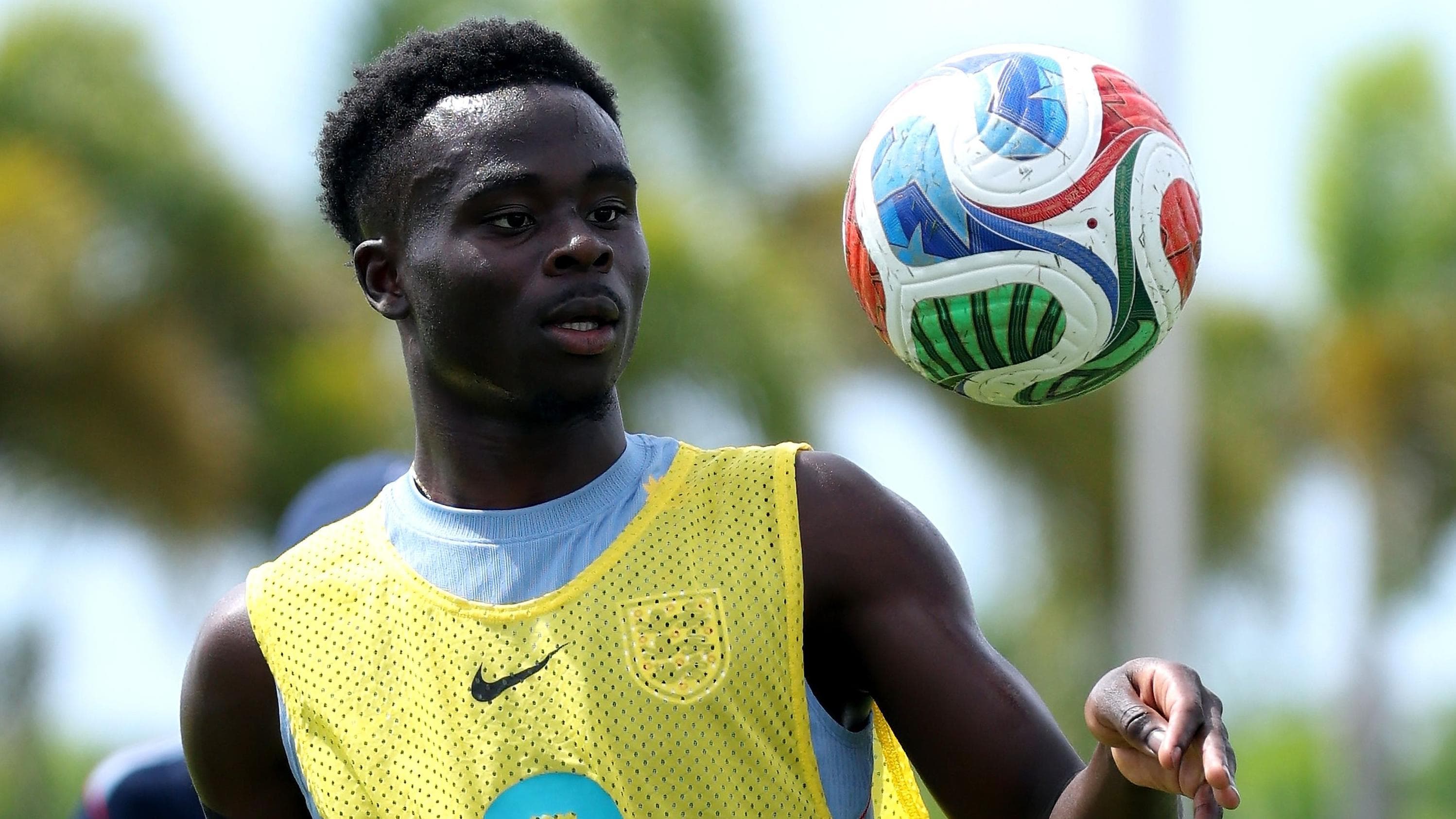
England's Tuchel carefully manages Saka's fitness ahead of the World Cup.

Canada confirms Gordie Howe Bridge opening despite Trump's threats

Australia's High Court to Decide on Damages for Indefinite Detention Case
See every story in News — including breaking news and analysis.
But Kallas said on Monday that the time was not yet right to open discussions with Russia. “We feel it is not there yet,” she said.
“We really also need to have strategic patience when it comes to really pushing Russia into … a situation where they genuinely would negotiate,” she added.