
Taiwan’s economy is booming thanks to AI. Not everyone sees the benefits
Taiwan's economy is booming thanks to AI, but not everyone is benefiting equally.
Al Jazeera English1 min read

Great Britain's energy price cap will increase by 13% starting July, raising average household bills to £1,862 annually. This rise is attributed to soaring global energy market prices linked to the ongoing war in Iran.
Mentioned in this story
Households will face the steepest summer rise in energy charges in four years after months of soaring market prices caused the government’s energy price cap for Great Britain to climb by 13%.
Under the cap the average gas and electricity bill will increase to the equivalent of £1,862 a year from July until the end of September to take account of the rise in global energy market prices caused by the war on Iran.
The energy regulator for Great Britain, Ofgem, determines the maximum a supplier can charge for each unit of gas and electricity based on the cost of supplying energy to homes, including the average wholesale market costs in the months leading up to the start of each new cap. The cap also incorporates the maximum daily standing charge (the flat daily fees levied for a connection regardless of how much or little energy people use).
Under the new energy price cap, households that pay via direct debit will see electricity charges rise from the current rate of 24.67p per kilowatt hour to 26.11p per kWh, while gas charges will rise from 5.74p per kWh to 7.33p per kWh.
The war in Iran has caused the biggest energy supply shock on record by choking exports of oil and gas from the Gulf. In Europe, gas prices have more than doubled from pre-crisis levels, and are about three times higher than before Russian gas exports to Europe halted after its invasion of Ukraine.
For motorists, the crisis has already caused petrol to rise by almost 20% at the pump to an average of 159.43p a litre on Tuesday, according to the RAC, while the diesel price has increased by more than 30% to 184.96p a litre.
While the rising cost of energy is expected to be painful for households this summer, the bigger concern is bills from October, when households typically start using more energy in autumn and can expect higher bills as a result.
Rising bills are expected to compound the record levels of energy debt amassed by households since Russia’s invasion of Ukraine ignited a gas supply crisis for Europe.
Unpaid energy bills reached a record high of £4.5bn earlier this year, according to the latest official data. These debts are partly paid down by other bill payers through an annual £52 charge included in the energy price cap.
The new energy price cap in Great Britain will increase to £1,862 per year for average household bills.
Electricity charges will rise from 24.67p to 26.11p per kWh, and gas charges will increase from 5.74p to 7.33p per kWh.
The increase in energy prices is primarily due to soaring market prices caused by the war in Iran, which has disrupted oil and gas exports.
Taiwan's economy is booming thanks to AI, but not everyone is benefiting equally.
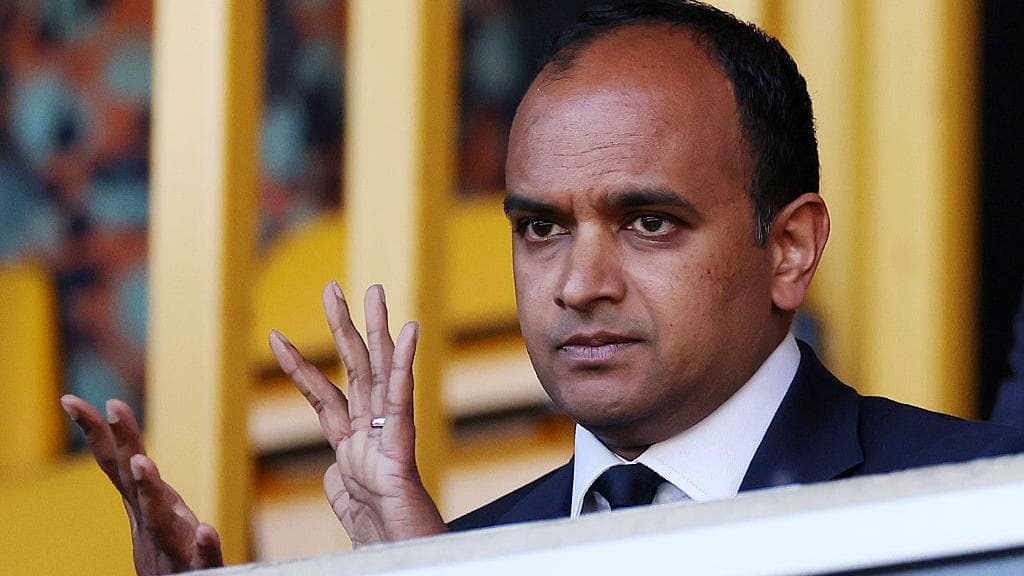
Tottenham's CEO Vinai Venkatesham advocates for a complete reset after a tough season.

Nurses and midwives who should have been banned worked for 12 years due to NMC failures.

Record-breaking heat in five European capitals raises climate worries.

Israel Launches Over 120 Airstrikes in Lebanon, Causing Casualties

EU ministers discuss fertiliser shortages due to the Iran war and its impact on agriculture.
See every story in News — including breaking news and analysis.