
A powerful US surveillance law is set to expire – what happens now?
Key FISA provision set to expire as Trump faces backlash over DNI appointment
The Guardian World1 min read

Donald Trump announced a 10-day ceasefire in Lebanon, claiming to have ended a 10th war. However, the situation remains unstable with ongoing military actions from both Israel and Hezbollah.
Mentioned in this story
Israel’s security cabinet first heard about the ceasefire with Lebanon from a social media post by Donald Trump. Hezbollah first heard about the ceasefire from the Iranian ambassador to Lebanon. Each side shot off as many bombs, drones and rockets as they could before the ceasefire – imposed from above – came into effect.
Despite the US president claiming it is the 10th war he has ended, the situation on the ground in Lebanon looks anything but stable.
Israeli troops remained in their positions deep in Lebanon on Friday, firing artillery shells and machine gun bursts at residents who got too close hours after the ceasefire. Hezbollah said it would respect the ceasefire but its fighters’ fingers “remained on the triggers”.
The 10-day ceasefire in Lebanon delivers a temporary halt to the fighting. But the text of the agreement solves none of the fundamental problems that brought Hezbollah and Israel to war and – absent a radical shift in both parties’ positions – fighting could easily resume.
The sources of the conflict are Hezbollah’s arms and Israel’s continued occupation of southern Lebanon and bombing across the country.
The ceasefire is meant to give space for direct negotiations between the Lebanese and Israeli governments. The fact that direct negotiations are taking place between the two governments is an achievement in itself – they have not spoken directly in decades and do not enjoy diplomatic relations.
The negotiators have their work cut out for them. According to the text of the deal, the goal of the talks will be to achieve “lasting peace” between the two countries where the Lebanese government has the exclusive monopoly of force in its territory and there is a formal demarcation of a border that has been contested since 2000.
To achieve those goals, the status of Hezbollah’s arms will have to be settled and Israeli forces will have to withdraw from Lebanese territory.
Hezbollah, while abiding by the ceasefire and appointing Iran as its steward in the larger US-Iran talks, has called on the Lebanese government to not engage in direct talks with Israel. The Lebanese government continues with its diplomacy, without the group’s mandate, and its ability to impose the terms of a deal without outside support, is in doubt.
The ceasefire was announced by Donald Trump following discussions, but the underlying issues between Hezbollah and Israel remain unresolved.
Hezbollah stated it would respect the ceasefire, but indicated that its fighters are still prepared for combat.
The conflict primarily stems from Hezbollah's arms and Israel's occupation of southern Lebanon, along with ongoing bombings across the country.
The ceasefire is temporary and does not address the fundamental issues, making a return to fighting likely without significant changes in both parties' positions.
Key FISA provision set to expire as Trump faces backlash over DNI appointment
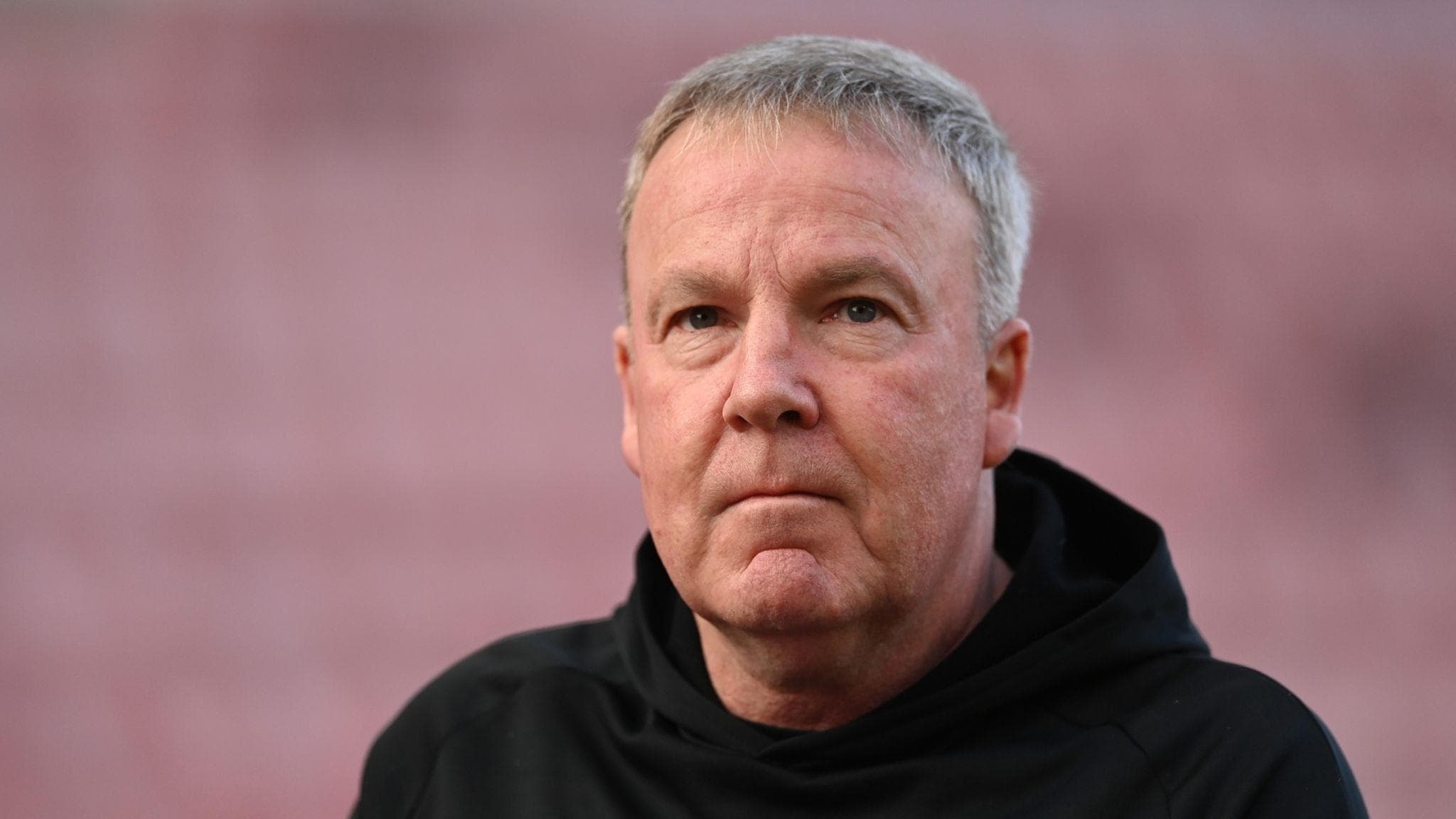
Watford legend Kenny Jackett passes away at 64
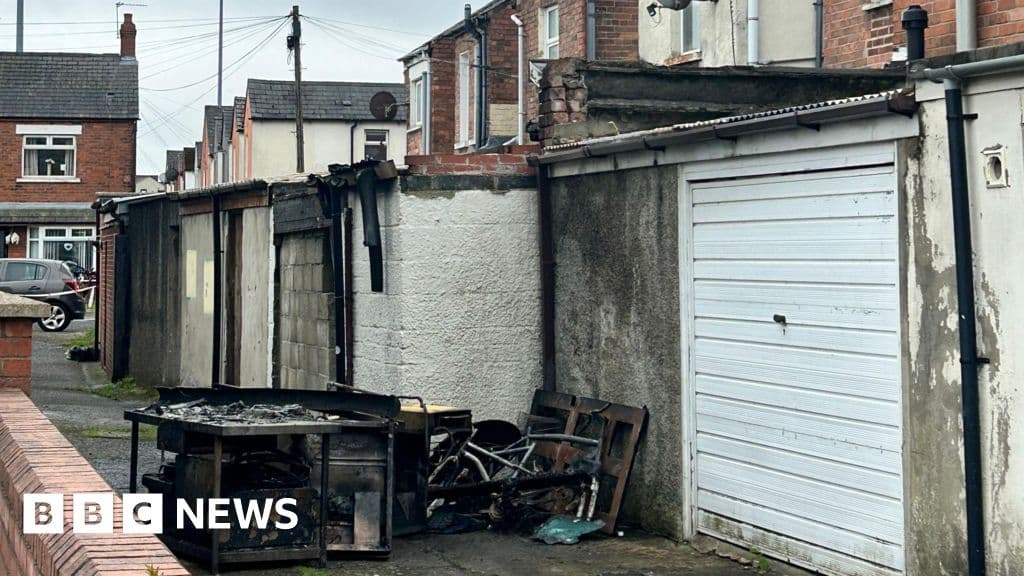
Nineteen people arrested, including a teen, after violence in Northern Ireland and an arson attack.

David Hockney, the iconic British artist known for his diverse work, has passed away at 88.

David Hockney, the revolutionary British artist, has passed away at 88.

Exploring the Historical Roots of Torture Against Palestinians
See every story in News — including breaking news and analysis.
Hezbollah’s base, which has borne the brunt of the war, is more alienated from the Lebanese government than ever. It views it as impotent and unable to defend the country from Israeli aggression.

Lebanese people wait to cross over the remains of the Qasmiyeh bridge on their journey back to their homes in the south of the country at the start of the ceasefire on Friday. Photograph: Marwan Naamani/Zuma Press Wire/Shutterstock
Many saw the picture of Lebanon’s flag standing beside the Israeli flag in Washington on Tuesday as a humiliating capitulation, particularly as it was taken while Israeli jets still bombed the country with impunity.
Residents of Lebanon’s south returned to their villages to find their homes in ruins, Israeli soldiers in the near distance. Almost 2,200 people have been killed by Israel over the past month, many of them women, children and elderly – deaths which no one has taken accountability for.
The argument for retaining Hezbollah’s weapons, to the group’s supporters, is stronger than ever. To those outside Hezbollah’s base, there is little alternative to negotiations. What Hezbollah defined as victory – battling Israel for 44 days in south Lebanon – seems like a bitter defeat to them. They were dragged into a war by a group they did not elect, and lost much of southern Lebanon and many of their own lives in the process.
Domestically, the resulting picture is fraught and confrontational. Unlike the 2024 ceasefire agreement which also sought Hezbollah’s disarmament, there can be no more stalling. The issue of Hezbollah’s arms will have to be decided, and now it is being done in an even more challenging context.
In Israel, there is also pressure for the war in Lebanon to continue. The ceasefire announcement enraged many residents of northern Israel who wanted the conflict to finally end the threat from Hezbollah. A poll by Israel’s Channel 12 last week found that almost 80% of respondents wanted continued strikes on the armed group.
Israeli officials’ statements, while boasting of military victory over Hezbollah, contained an implicit threat that the war could resume if their demands were not met by Lebanon.

Israel Katz, Israel’s defence minister, says his country’s armed forces have achieved many of their objectives in Lebanon. Photograph: Ronen Zvulun/Reuters
Israel’s defence minister, Israel Katz, said on Friday: “The ground manuever into Lebanon and the attack on Hezbollah throughout Lebanon have achieved many achievements but are still not complete; the goal we defined: disarming Hezbollah by military or diplomatic means, was and remains the goal of the campaign to which we are committed.”
Trump was less cavalier about Israel’s ability to resume a military campaign, saying on Friday that it was “prohibited” from bombing Lebanon any longer, while announcing a deal with Iran over enriched uranium. His statement came even as Israel’s prime minister, Benjamin Netanyahu, said his country had not “finished the job” of dismantling Hezbollah.
It remains to be seen whether Trump’s attention will remain on Lebanon and he continues to exert pressure on Israel to lay off Lebanon.
Just as the ceasefire was imposed from above, its path forward into a lasting peace runs through Washington and Tehran, even if the negotiators are coming from Beirut and Tel Aviv.
Sustained, intense international focus will have to remain on the Lebanon-Israel peace talks, or else the war will resume.