
Japan grab 4-0 win as Ueda’s brace knocks Tunisia out of 2026 World Cup
Japan secures a 4-0 victory over Tunisia, eliminating them from the World Cup.
Al Jazeera English1 min read

A thinktank recommends lowering UK speed limits to 20mph in towns and 60mph on motorways to mitigate the economic impact of the Iran war on consumers. This measure aims to reduce fuel demand and combat rising oil prices.
Britain should lower speed limits for drivers as part of a package of measures to reduce the impact of the Iran war on consumers, a thinktank has said.
Capping legal speeds at 20mph in towns and cities and 60mph on motorways would help reduce fuel demand and combat soaring oil prices triggered by conflict, according to the Institute for Public Policy Research (IPPR).
The institute said ministers should also temporarily cut fuel duty by 10p and bring in a new energy price cap of £2,000 a year to support consumers, while warning that inflation could peak as high as 5.8% if nothing is done to prevent it.
“The UK cannot afford to sit back and let another energy shock drive up inflation and damage the economy,” said William Ellis, a senior economist at the IPPR. “The UK economy and public finances are expected to take a significant hit from the Iran conflict, regardless of whether the government intervenes.”
Lowering speeds would be “a dual win”, the thinktank wrote, “lowering fuel demand, while safer streets support swapping short trips to walking and cycling. This should be packaged with advice on how to drive more efficiently alongside recommendations for increased home working and carpooling.”
Such a measure would probably prove controversial. Wales reduced its default speed limit to 20mph in 2023 and a BBC poll this year found that more than half of people in the country opposed it, despite a more than 10% fall in road casualties in the subsequent 18 months.
The International Energy Agency has already advised its member countries, including the UK, to consider lowering road speeds and limiting when cars can drive as part of a number of Covid-style emergency measures in response to the Middle East conflict.
The researchers estimated that the Treasury could lose up to £8bn a year from higher debt payments and lower tax revenues resulting from lower economic growth without a support package.
The fuel duty cut would apply until spring 2027, the institute said, while the price cap would sit above the current quarterly cap set by the energy regulator for Great Britain, Ofgem, of £1,641 but would trigger automatically if the regulator’s quarterly estimates crossed that threshold. Gas and electricity bills could hit almost £2,000 a year for average households from July.
The thinktank proposes capping speed limits at 20mph in towns and cities and 60mph on motorways.
Lowering speed limits would reduce fuel demand and help combat soaring oil prices caused by the Iran conflict.
The IPPR suggests temporarily cutting fuel duty by 10p and introducing a new energy price cap of £2,000 a year.
The IPPR warns that inflation could peak as high as 5.8% if no measures are taken to prevent the economic impact of the Iran conflict.
Japan secures a 4-0 victory over Tunisia, eliminating them from the World Cup.

Beware of the GTA VI scam inviting players to a fake beta version!

PhotoEspaña 2026 opens in Madrid with nearly 100 exhibitions!

Alan Latham's 50 film companies struck off, workers left unpaid

Johannesburg's immigration crackdown is dividing the inner city and affecting local shops.
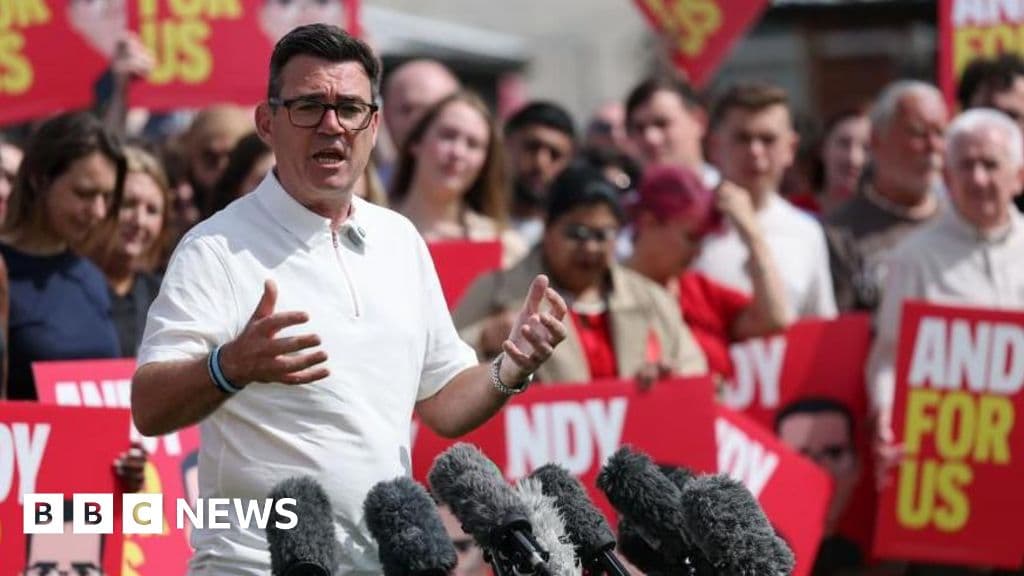
Former cabinet secretary Simon Case warns that leadership uncertainty is highly disruptive for the UK government and increases borrowing costs. His comments follow Andy Burnham's victory in the Makerfield by-election, intensifying pressure on Prime Minister Sir Keir Starmer to clarify his plans for departure.
See every story in News — including breaking news and analysis.
Researchers said that while the policies would cost up to £5bn a year, that was far less than Liz Truss’s response to the 2022 energy crisis, which cost about £76bn. The chancellor, Rachel Reeves, has already said any support this year will be targeted at those most in need.
It would also reduce peak inflation by up to two percentage points, the researchers estimated, and potentially avert the need for the Bank of England to raise interest rates – its main weapon to fight price rises – which many analysts expect to happen later this year.
The Bank left rates unchanged at 3.75% last week but warned that the UK may need to brace for increases later in the year. Andrew Bailey, the Bank’s governor, said last week: “The longer this problem goes on and the longer the disruption to energy supplies goes on, the more difficult the scenario we’re in.”
Ellis said: “The government can act now where the Bank can’t, with a well-designed policy that acts to cap prices only in the most damaging scenarios. At worst, this would save about as much as it costs – but if permanent damage or sharp interest rate rises are avoided, this could end up saving money.”