
Head of Commons media committee denies writing article accusing BBC of bias
Caroline Dinenage denies authorship of article accusing BBC of bias amid resignations.
The Guardian World1 min read

Extreme heat is the deadliest weather condition, causing more deaths annually in the U.S. than hurricanes, tornadoes, and floods combined. Understanding how heat affects the body and knowing safety tips are crucial for prevention.
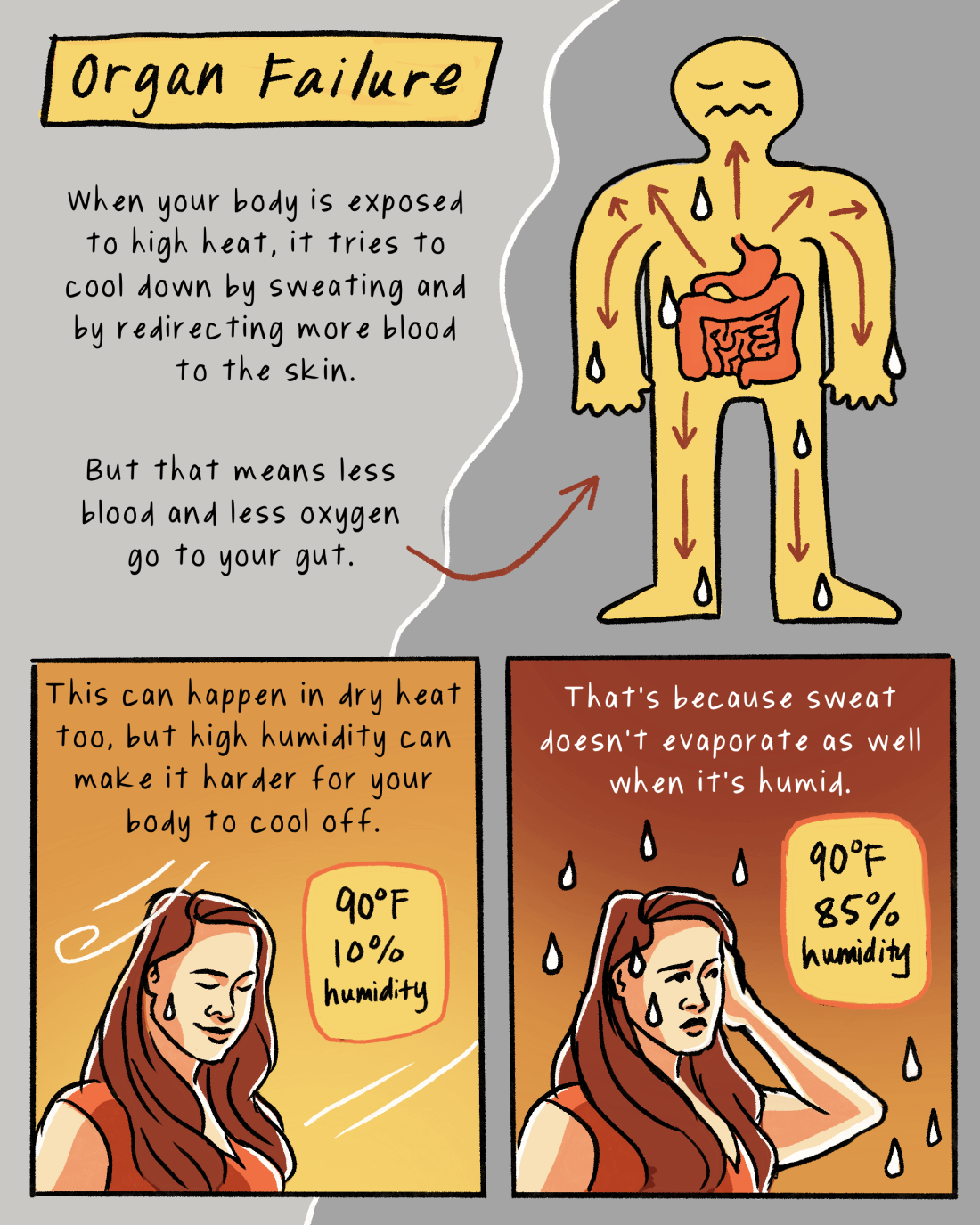
Of all extreme weather conditions, heat is the deadliest. Human bodies have a natural cooling system — sweat — but that system can do only so much in high temperatures and humidity.
But how exactly does heat kill? Here's the science behind what happens to the body in extreme temperatures, including the three main ways heat can shut down vital systems, as well as tips to stay safe, cool down and fend off heatstroke.


Scotland embraces World Cup fever with traditions and humor after 28 years!

Sama Safi, a Palestinian American, held without charge by Israel for nearly two weeks.

US government orders Anthropic to restrict AI model access for foreign nationals due to security concerns.

Knicks lead Spurs 3-1 in NBA Finals, eyeing first title since 1973

Cathy Allen challenges her arrest for protesting Palestine Action in Scotland's High Court.
See every story in News — including breaking news and analysis.
These toxins can trigger inflammation and other effects, like blood clots, that eventually can lead to multiple-organ failure. A full-body diagram of a sweating, ill person shows a progression from toxins circulating around the body to a blood clot and then to organ failure. ](https://npr.brightspotcdn.com/dims3/default/strip/false/crop/2000x2500+0+0/resize/1100/quality/50/format/png/?url=http%3A%2F%2Fnpr-brightspot.s3.amazonaws.com%2Ff7%2F68%2Ff3fd673f4a3dba18eb1459fc5616%2F3-min.PNG)


This comic was written and illustrated by Connie Hanzhang Jin, based on reporting by Maria Godoy. It was edited by Carmel Wroth and Alyson Hurt.