
‘They have all the power’: investigation finds that 93% of ICE arrests targeted Latinos
Investigation finds 93% of ICE arrests in NYC area disproportionately target Latinos, causing fear in communities.
The Guardian World1 min read
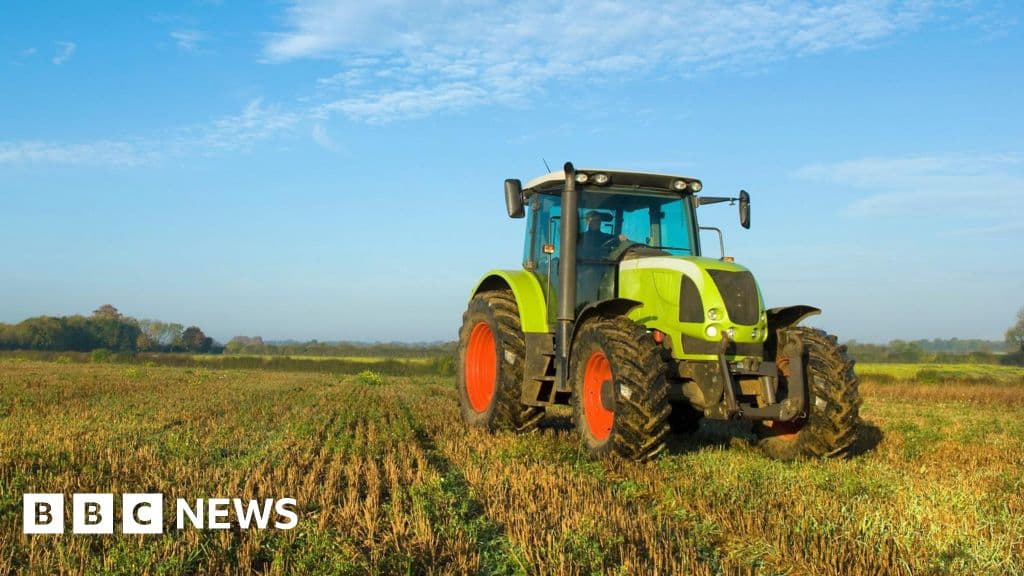
Campaigners are urging a ban on glyphosate use at harvest time due to health concerns. The Soil Association highlights potential food residues, while the UK government plans a consultation on its future use.
Mentioned in this story
Campaigners are calling for a ban on the use of the weedkiller glyphosate to dry crops at harvest time because of concerns about its impact on human health.
Some farmers argue the chemical is necessary but the Soil Association warns that its use as a drying agent leaves residues in foods such as bread, breakfast cereals and beer.
Some scientific studies have suggested possible links between glyphosate use and cancer and other illnesses.
The government's Health and Safety Executive (HSE) will soon launch a consultation on whether to allow its use on crops beyond December 2026, when the licence to use the chemical is set to expire.
Use of glyphosate as a pre-harvest drying agent was banned in the EU in 2023, and campaigners are now calling on the UK government to do the same. The chemical is still licensed for other uses on the continent.
On Wednesday, the Soil Association launched a campaign to end its use as a pre-harvest desiccant [drying agent] in the UK, ahead of the HSE's consultation later this year.
Speaking to BBC Radio 4's Today programme, farmer and founder of Riverford Organic Farmers Guy Singh-Watson said the campaign was not seeking an outright ban on the product in the UK.
Instead, he said the UK should ban the practice of spraying glyphosate "onto crops just days before they're harvested, in the full knowledge that traces of that chemical are going to end up in our bread, in our breakfast cereals, in our beer."
He said the use of glyphosate to dry crops was a "relatively modern practice", adding: "To say that it's essential to the growing of wheat, I'm afraid, is... not true."
Roundup weedkiller, which contains glyphosate, was originally developed by Monsanto in the 1970s. Its patent expired in 2000 and the chemical is now sold by various manufacturers.
Bayer, the German bio-tech company that now owns Monsanto, has previously said there is no regulatory authority that has found that glyphosate is carcinogenic.
In response, Singh-Watson said many chemicals that had previously been cleared for use on crops by regulators were now banned. "I don't have a lot of faith in the regulatory regime", he said.
The government says the product is strictly regulated and only authorised for use if the evidence shows it is safe.
Glyphosate remains approved for use in Great Britain until December, after ministers extended its authorisation to give regulators time to review new data.
This summer, the HSE will launch a two-month public consultation on whether approval for the use of glyphosates should be renewed, taking account of any new "scientific, technical and regulatory" evidence.
Farmer Dave Bell, chair of the Voluntary Initiative for the use of Plant Protection, told BBC Radio 4's Today programme that he relies on herbicides like glyphosate.
"To promote and maintain soil health, and a good healthy rotation in my crops, I need to utilise glyphosate to reduce my wear and tear, reduce my reliance on other weed control, to reduce my carbon footprint," he said.
Some studies suggest possible links between glyphosate use and cancer and other illnesses.
Campaigners are concerned about its impact on human health and potential residues in food products.
The Health and Safety Executive (HSE) will launch a consultation soon regarding glyphosate's use beyond December 2026.
The use of glyphosate as a pre-harvest drying agent was banned in the EU in 2023.
Investigation finds 93% of ICE arrests in NYC area disproportionately target Latinos, causing fear in communities.

Harry Kane shines at the World Cup, scoring twice against Croatia!

Iran's Supreme Leader Khamenei's stance on the US peace deal strengthens hardliners.

In Nepal's highlands, climate change impacts the Bon faith's traditions.

UK Foreign Secretary criticizes Israeli minister's threats against Lebanon

US treasury chief called Zelenskyy 'Mr Bean on crack' in advice to Trump
See every story in News — including breaking news and analysis.
"If I don't use glyphosate to ripen the standing crop before harvest, I have to use more diesel to burn, to dry the crop", he said.
The National Farmers Union (NFU) and some other farming organisations support the continued use of glyphosate-based weedkillers – including as a pre-harvest drying agent.
NFU deputy president Paul Tompkins said the chemical was an "essential tool for our farmers and growers" that can be used on cereals "to make harvesting easier, to control weeds, and reduce disease, and help produce sustainable and affordable food for all".
He added that "regulatory bodies around the world" have consistently "found that glyphosate is safe when used responsibly". He added he would like to see the UK review process renew the approval of glyphosate "for a full 15 years".
In 2015 the International Agency for Research on Cancer, the World Health Organization's cancer agency, concluded the chemical was "probably carcinogenic to humans".
Meanwhile, in March this year a group of international scientists gathered to review new science published over the last decade. They found glyphosate and glyphosate-based herbicides (GBHs) "harm human health and can cause cancer", according to its expert statement.
"The evidence that glyphosate and GBHs harm human health at levels of current use is now so strong that no additional delays in regulation of glyphosate can be justified", the statement reads.
A government spokesperson said: "Like all pesticides, glyphosate is subject to strict regulation in Great Britain and are only approved for use if the evidence shows that they won't harm human or animal health, and won't have unacceptable effects on the environment.
"Our UK pesticides national action plan supports moves by farmers, growers and other land managers to minimise the use of pesticides and increase integrated pest management – a holistic and sustainable approach to pest, weed and disease control."