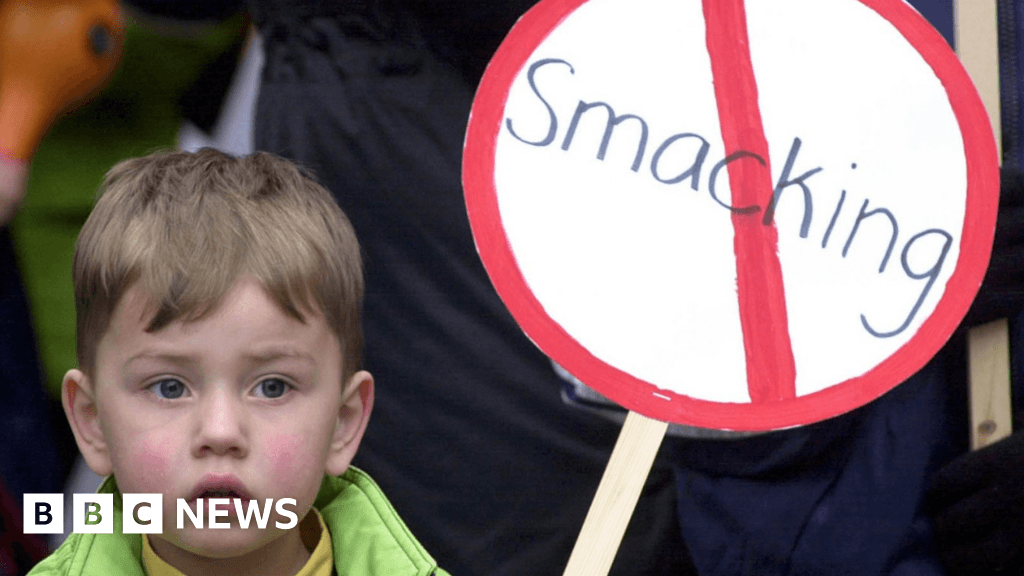
Smacking children could lead to lower GCSE grades, study suggests
Research suggests smacking children leads to lower GCSE grades and risky behavior.
BBC News1 min read

California voters will decide in November on a measure requiring photo ID to cast a ballot, amid ongoing debates over voter ID laws. Nearly 1 million signatures supported the initiative led by Republican Carl DeMaio.
Mentioned in this story
California voters will decide in November whether to require photo identification to cast a ballot, making California the latest battleground in a long-running effort by conservatives to push voter ID laws that have been bolstered in recent years by Donald Trump’s repeated and unfounded accusations of widespread voter fraud.
Nearly 1 million Californians signed on to support the ballot measure championed by Carl DeMaio, a Republican state representative from San Diego.
“Voters will be able to restore election integrity in our state, citizenship verification, auditing voter rolls – and yes, requiring ID to vote,” DeMaio said in a video statement posted to X.
Democrats have historically opposed voter ID laws, viewing them as unnecessary obstacles to casting a ballot that are likely to disproportionately affect voters who are low-income and people of color.
If the ballot measure passes, California voters would be required to present a photo identification when voting at a polling place, or submit a four-digit pin when sending a mail-in ballot.
Efforts to impose voter ID in solidly blue California have failed in the past. A poll released last month by the Institute of Governmental Studies at the University of California, Berkeley, however, found voters deadlocked on the issue, with 44% supporting it, 45% opposing and the rest undecided.
The measure requires voters to present photo identification at polling places or submit a four-digit pin for mail-in ballots.
The initiative is championed by Republican state representative Carl DeMaio, who claims it will restore election integrity.
Nearly 1 million Californians signed to support the ballot measure requiring photo ID for voting.
Research suggests smacking children leads to lower GCSE grades and risky behavior.

Patrick Bruel, French pop star, charged with rape and sexual assault in major #MeToo case.

Discover which World Cup stars hail from your area!

Intense controversy surrounds the investigation of Air India flight 171 crash.
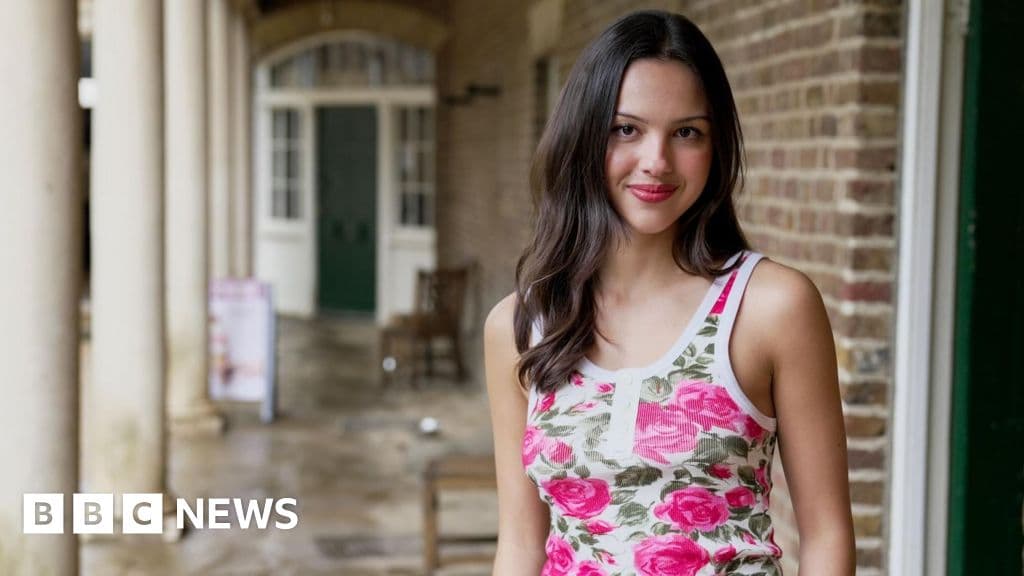
Olivia Rodrigo braves the rain while finalizing her new song 'Maggots For Brains'.
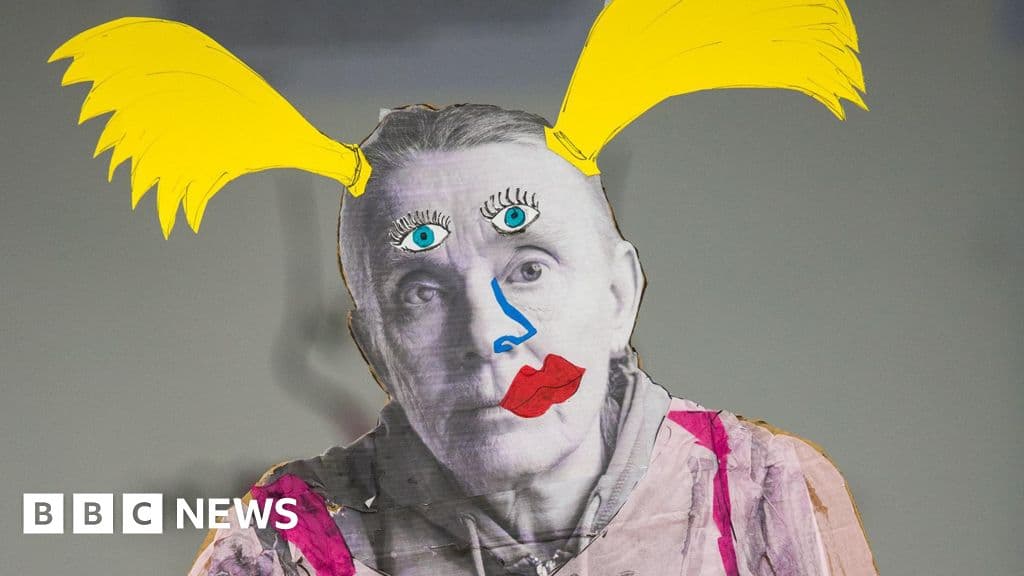
Dozens of female playwrights unite for 'All the Rage' in London, expressing anger over Epstein.
See every story in News — including breaking news and analysis.
California is one of 14 states, along with the District of Columbia, that do not require voters to show ID when casting ballots, according to NBC News.
The California voter ID push has drawn national attention and money from Republicans, with the ballot measure committee raising $8.8m last year, according to Politico. Opponents are only beginning to mount a campaign to keep it from passing.
The California plebiscite comes as the White House is pushing for stricter federal requirements to cast a ballot. Trump demanded last week that Congress do away with the filibuster so Republicans can pass the Save America Act, which would impose a federal requirement to show proof of citizenship to cast a ballot.
Ron DeSantis, Florida’s Republican governor, signed into a law on 1 April a state bill modeled on the stalled federal act.
Opponents of voter ID laws have repeatedly challenged them in federal court.
Last month, US district judge Loretta Biggs upheld North Carolina’s 2018 voter ID law after it faced challenges from civil rights groups who said it would unconstitutionally infringe on Black and Latino voting rights.
In a separate case last year, the ninth US circuit court of appeals struck down key provisions of voter ID laws passed by Arizona in 2022, after finding that several challenged provisions “are unlawful measures of voter suppression”.