
2-2 draw for Japan and the Netherlands in World Cup opener for both
Japan and Netherlands end World Cup opener in a thrilling 2-2 draw!
NPR Topics: News1 min read

An inquest has ruled that British soldiers lost control during the 1972 Springhill shootings in Northern Ireland, resulting in the unreasonable killing of five civilians. The judge stated that the soldiers acted in breach of rules governing lethal force, with all victims deemed innocent.
Mentioned in this story
British army soldiers “lost control” and used force that was “not reasonable” in the killing of five civilians in Northern Ireland in 1972, an inquest judge has ruled.
Four of the victims – two teenagers, a father of six and a Catholic priest – posed no risk when they were shot in the Springhill and Westrock areas of west Belfast on 9 July 1972, Mr Justice Scoffield said on Thursday.
The blistering verdict about one of the most highly contested events of the Troubles said two soldiers, known as A and E, overreacted to perceived threats, fired prematurely and ultimately lost control.
“All fatal shootings were found to have been carried out by soldiers acting in breach of the ‘yellow card’ rules governing the use of lethal force,” the 640-page report said. Four of the dead were unarmed and it was unclear whether the fifth was armed, it said. “None of the deceased should have been shot in the circumstances.”
The coroner said Father John Fitzpatrick, 42, a curate at Corpus Christi church, and Patrick Butler, 37, a Belfast Corporation refuse worker, were killed by the same bullet as they attempted to cross a road. Margaret Gargan, 13, was shot in the head while talking to friends. All three were deemed wholly innocent.
David McCafferty, 15, was seeking to retrieve the priest’s body when he was shot in the back, the coroner said. The court heard that he was a member of Na Fianna Éireann, the IRA youth wing, but was unarmed and not engaged in offensive activity and was considered an innocent victim.
McCafferty’s sister Betty Kennedy said the ruling brought “a long-awaited clarity and justice” to the family. “The passage of 54 years has been marked by profound grief, perseverance and unwavering pursuit of truth. David’s name is now cleared,” she said.
The conduct of John Dougal, 16, before his death remained unclear and suspicious but he should not have been shot because he was probably fleeing to take cover, the coroner said.
He rejected the explanation that the soldiers were reacting to a mass coordinated attack on a timber yard where their unit was based, and said brigade radio logs undermined that narrative.
He noted the soldiers’ youth and inexperience and their ignorance of the political context in what was the bloodiest year of the Troubles. The killings happened six months after Bloody Sunday, when soldiers opened fire on civil rights demonstrators in Derry.
Soldier A, who killed Dougal, Fitzpatrick, Butler and McCafferty, fired from less than 100 metres away at Corry’s timber yard without first assessing what risk, if any, they posed, the coroner said. Soldier E shot Gargan.
The inquest found that British soldiers lost control and used unreasonable force, resulting in the deaths of five civilians.
The victims included two teenagers, a father of six, and a Catholic priest, all of whom posed no threat when shot.
The shootings occurred on July 9, 1972, in the Springhill and Westrock areas of west Belfast, where soldiers fired prematurely and acted in breach of lethal force rules.
The verdict highlighted that all fatal shootings were unjustified, emphasizing that none of the deceased should have been shot under the circumstances.
Japan and Netherlands end World Cup opener in a thrilling 2-2 draw!

Germany dominates Curaçao 7-1 in World Cup opener; Havertz shines!

Summer warmth returns to the UK this week with highs of 28C, but rain lingers for some.
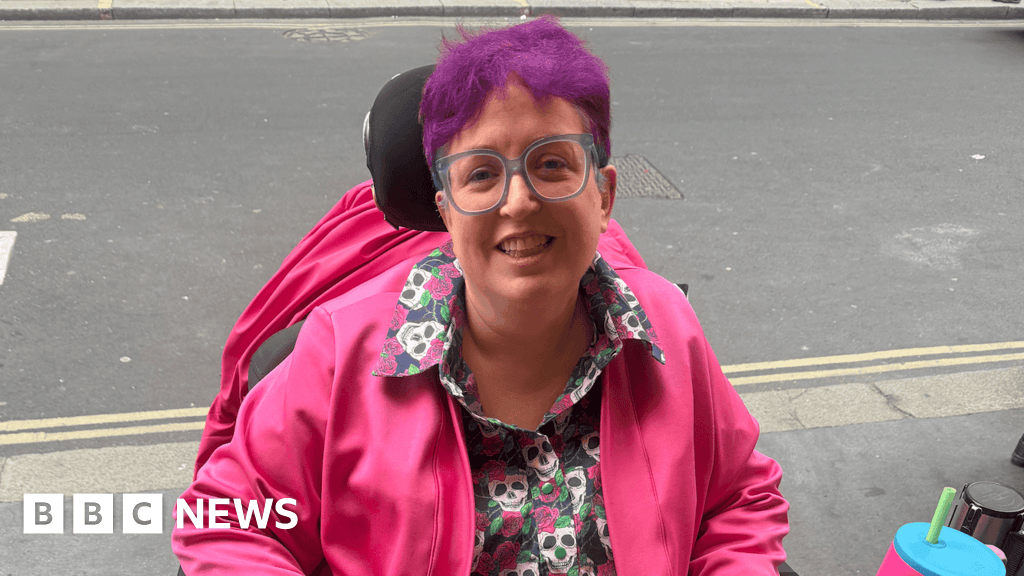
Disabled social worker Vikki Walton-Cole highlights court accessibility issues.

Softstar Shoes in Oregon is now owned by its employees as founder plans retirement.

Millions can reduce their bills with social tariffs - find out how!
See every story in News — including breaking news and analysis.
The inquest judge apologised for the delay in the verdict, which came two years after hearings concluded. The inquest was the last one to complete before a 2024 guillotine on legacy court cases passed by the previous Conservative government.
The Labour government is amending the legislation but plans to keep the independent commission for reconciliation and information recovery (ICRIR), which was intended to replace inquests.
Butler’s daughter Natasha said the commission could not supply the same detailed narrative findings or give the same closure. “What we have seen today in terms of Springhill shows that even after 54 years, inquests can deliver some measure of truth,” she said.
Paul Maskey, a Sinn Féin Belfast MP, said the verdict confirmed a belief that the victims had posed no threat. “This massacre has long lived in the psyche of our community, and so too has the British army’s impunity,” he said.