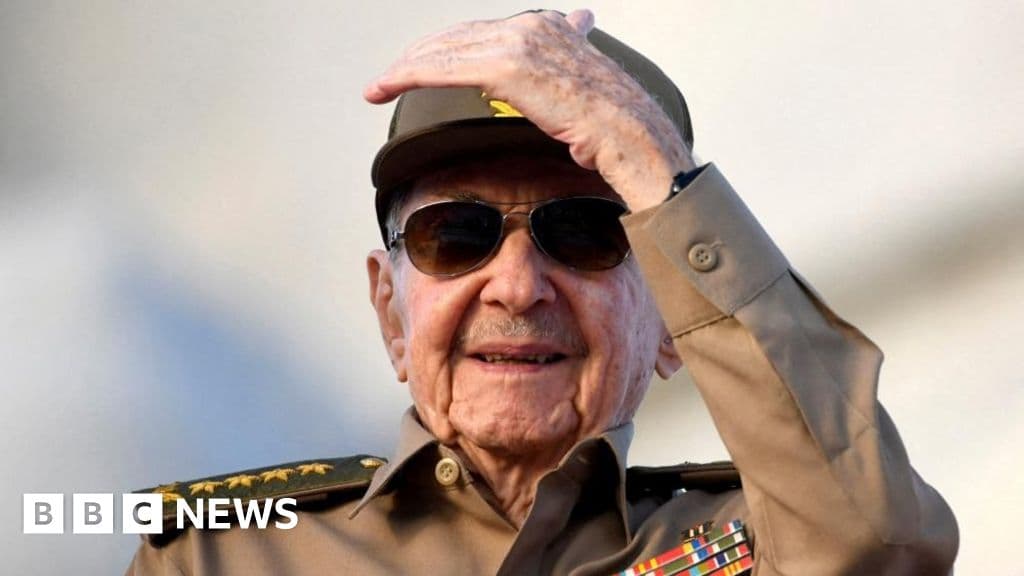
US charges Cuba's Raúl Castro with murder over 1996 downing of two planes
Raúl Castro charged with murder by US over 1996 plane downing, reviving old charges.
BBC News1 min read

Britain is facing a significant rise in temperatures, projected to reach 2C above historic norms in the next two decades, leading to extreme heatwaves and increased flooding. This climate shift will exacerbate inequalities, particularly affecting lower-income individuals and vulnerable groups like pregnant women.
It may not always feel like it, but Britons are going to have to get used to living in a hot country.
Temperatures are already 1.4C above the historic norm, and heading for a 2C rise in the next two decades. This may not sound like much, but it will mean far higher temperatures in summer – heatwaves as high as 45C lasting for more than a week, dwarfing the previous record of 40C in 2022 – as well as more frequent droughts and severe flooding, according to a major report published on Wednesday.
Every area of the UK, and nearly every aspect of the infrastructure that underpins our lives, will be affected - from transport and communication infrastructure to our housing, schools, hospitals and care homes. “The UK was built for a climate that no longer exists today and will be increasingly distant in years to come,” the report published by the Climate Change Committee (CCC) states.
Without strong preventive action, a hotter Britain will also be a far more unequal country. Extreme weather will affect people on lower incomes more than those with the means to adapt.
It starts before birth. Pregnant women are among the most vulnerable to high temperatures, a Wellcome study published this week showed. Without the means to cool their homes, women could be at higher risk of pre-term birth, still birth, congenital anomalies and obstetric complications.
Schools are another factor. One study quoted by the CCC found students were more likely to fail an examination if taken at an outside temperature of 32C rather than at 22C. Though the CCC has advised that all schools should have air conditioning by 2050, overstretched education budgets mean this may be rolled out unevenly, if at all.
Temperatures at home matter too – pupils unable to sleep as “tropical nights”, where the temperature does not fall below 20C, will become more common. With nine out of 10 British homes at risk of overheating, the CCC advises that air conditioning may be the only answer, but families that cannot afford it may be able to cool only one room in the home.
Then there is food. Retail prices for staples have already surged owing to the impacts of the climate crisis on crops and yields : climate impacts have added about £360 to the average annual food bill, according to the Energy and Climate Intelligence Unit, and a 50% rise in prices is forecast by this November, compared with 2021. Richer households may be able to weather these shocks, but the poorest will struggle.
Britain is projected to see a temperature rise of 2C above historic norms in the next two decades.
Climate change will likely increase inequalities, as extreme weather disproportionately impacts lower-income individuals who lack the means to adapt.
Rising temperatures pose health risks for pregnant women, including higher chances of pre-term birth, stillbirth, and obstetric complications.
Climate change will impact various infrastructures in the UK, including transport, communication, housing, schools, hospitals, and care homes.
Raúl Castro charged with murder by US over 1996 plane downing, reviving old charges.

Young Americans demand court halt to Trump's pollution rollbacks

James Murdoch to acquire New York Magazine and Vox Media Podcast Network for over $300 million.
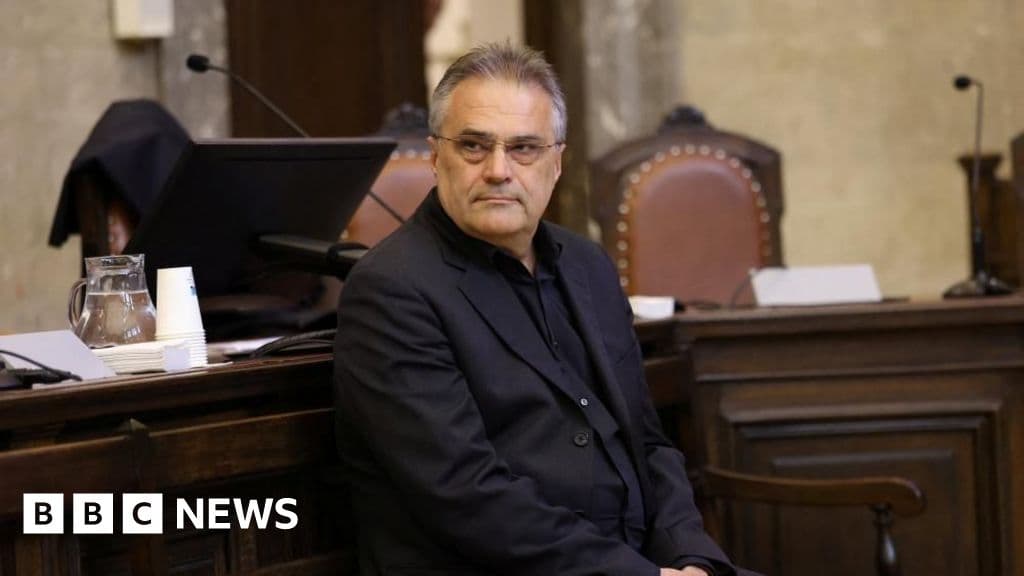
Egisto Ott, former Austrian intelligence officer, convicted of spying for Russia.

Michael Bay set to direct a film on US military rescue mission in Iran
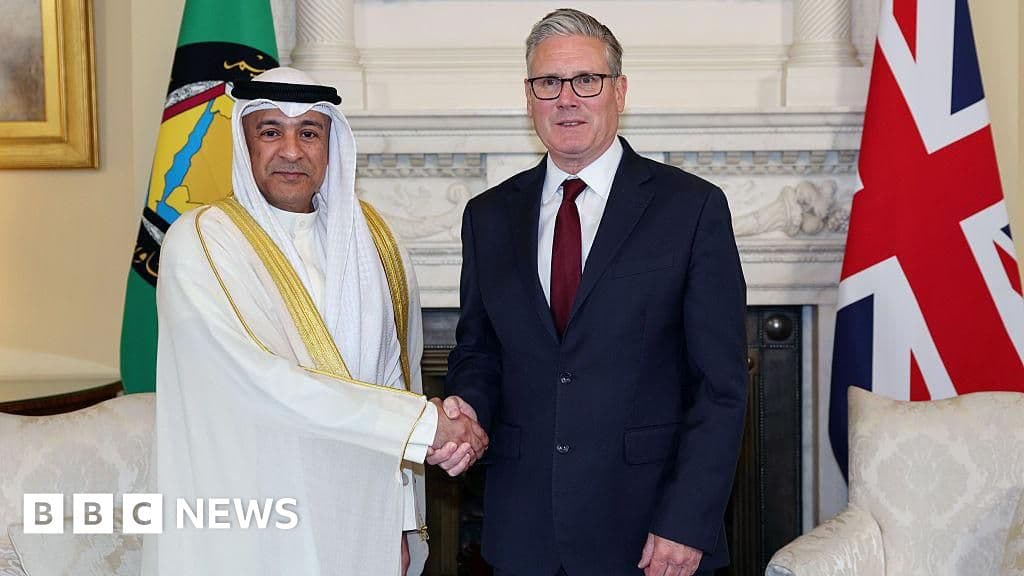
UK finalizes a £3.7bn trade deal with six Gulf states, removing tariffs and boosting business.
See every story in News — including breaking news and analysis.
When their houses flood, people on higher incomes may also find it easier to move or to install their own flood prevention measures – the poorest are more likely to be stuck. People on lower incomes also have less access to nature, which can be a lifeline when the weather heats up.
“Climate change consequences aren’t felt equally,” says Cath Smith, the head of social impact at the Green Alliance thinktank. “Impacts such as heat and flooding intersect with inequalities in income, health, housing and place, leaving some communities facing greater harm with fewer resources to adapt or recover. If policy doesn’t acknowledge the growing and unequal impacts of climate change, then there is a real risk that rising temperatures will exacerbate inequalities.”
There will also be political consequences, warns Sam Alvis, associate director at the IPPR thinktank. Perhaps ironically, given that senior figures in the Reform party, led by Nigel Farage, have cast doubt on climate science and vowed to scrap climate policies, the far right could benefit.
“As we’ve seen in Valencia, Los Angeles and elsewhere, when increasingly severe and frequent climate impacts strike, populists are quick to exploit public anger over a lack of preparation, using it to advance their own agenda and weaken support for climate action more broadly,” says Alvis.
“Government’s priority, especially when resources are tight, should be to help those least able to protect themselves, and to spend on things that actually lower the risk of climate impacts – infrastructure or improvements to homes and buildings – rather than masking that risk, like subsidised insurance.”
Others share the desire for urgent adaptation, but argue prevention should be a top priority.
Dr Friederike Otto, professor of climate science at Imperial College London, said: “The UK is already experiencing the stark reality of climate change through harsher droughts, intense summer heatwaves, and significantly wetter winters.
“While adaptation is a vital piece of the puzzle, we can’t simply adapt ourselves out of this problem. The ultimate and most effective way to tackle climate change remains the rapid transition away from fossil fuels until our societies reach net zero.”