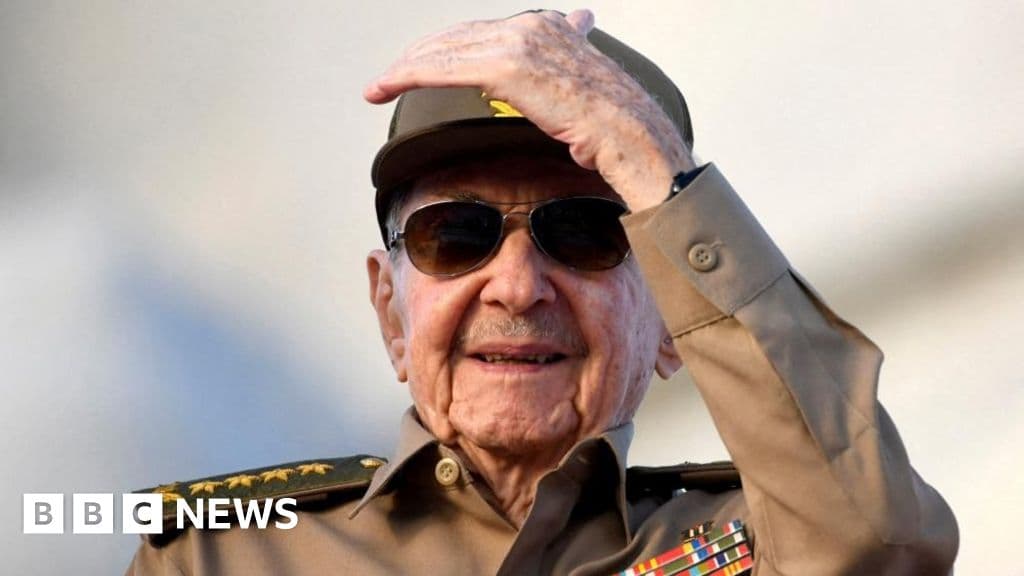
US charges Cuba's Raúl Castro with murder over 1996 downing of two planes
Raúl Castro charged with murder by US over 1996 plane downing, reviving old charges.
BBC News1 min read

Protests in Bolivia have escalated into a battleground in La Paz, marking a turbulent moment for President Rodrigo Paz Pereira. The US has labeled the unrest as an 'ongoing coup d’état' against his government.
Mentioned in this story
Protests blocking roads across Bolivia and turning the centre of the capital, La Paz, into a battleground between demonstrators and police have entered a second week.
It is the most turbulent moment of the centre-right president Rodrigo Paz Pereira’s mere six months in office since he ended nearly two decades of rule by the leftwing Movimiento al Socialismo (Mas).
One of the former senator’s first moves was to restore relations with the United States, which now describes the uprisings as “an ongoing coup d’état” against Paz Pereira.
Alongside the domestic unrest, Bolivia’s president has triggered a diplomatic crisis after ordering the immediate expulsion of Colombia’s ambassador in La Paz on Wednesday, in retaliation for remarks by Colombia’s leftwing president, Gustavo Petro.
Last Sunday, Petro reposted a video claiming that Paz Pereira was a “puppet of the US” and commented that Bolivia was experiencing a “popular insurrection” that was “the response to geopolitical arrogance”.
Announcing ambassador Elizabeth García’s expulsion on Wednesday, Bolivia’s foreign ministry said the decision was intended to “preserve the principles of sovereignty and non-interference in internal affairs”. Moments later, Petro told a Colombian radio station that Bolivia was “sliding into extremism”.
The protests have so far caused four deaths – one demonstrator reportedly killed in clashes and three others reportedly because roadblocks prevented them from receiving proper medical treatment – as well as dozens of injuries and more than 40 road blockades across the country on Wednesday.
On Tuesday, the US deputy secretary of state, Christopher Landau, claimed that the protests were “an ongoing coup d’état”.
Speaking in Washington, Landau said: “Let us not make any mistake about that; it is a coup financed by this perverse alliance between politics and organised crime across the region.”
Bolivia is going through its worst economic crisis in four decades, with shortages of dollars and fuel and rising inflation dating back at least to the final years of the previous president Luis Arce’s term under Mas.
Paz Pereira, the son of former president Jaime Paz Zamora, who governed from 1989 to 1993, took office promising an “economic shock therapy”, but conditions have not improved and some of his measures have proved deeply unpopular.
One of his first decisions was to end a two-decade-long fuel subsidy, promising that a free market would bring higher-quality fuel into the country. Instead, shortages continued and, shortly afterwards, the “dirty fuel” crisis erupted, after part of the supply was found to have been adulterated. The president said he had been the victim of an alleged “sabotage” by former officials supposedly linked to Mas.
The protests were triggered by President Paz Pereira's policies and his restoration of relations with the United States, which many view as controversial.
The US has described the ongoing protests as 'an ongoing coup d’état' against President Paz Pereira.
A diplomatic crisis emerged when President Paz Pereira expelled Colombia's ambassador in La Paz in response to remarks made by Colombia's President Gustavo Petro.
Gustavo Petro referred to President Paz Pereira as a 'puppet of the US' and described the situation in Bolivia as a 'popular insurrection' against geopolitical arrogance.
Raúl Castro charged with murder by US over 1996 plane downing, reviving old charges.

Young Americans demand court halt to Trump's pollution rollbacks

James Murdoch to acquire New York Magazine and Vox Media Podcast Network for over $300 million.
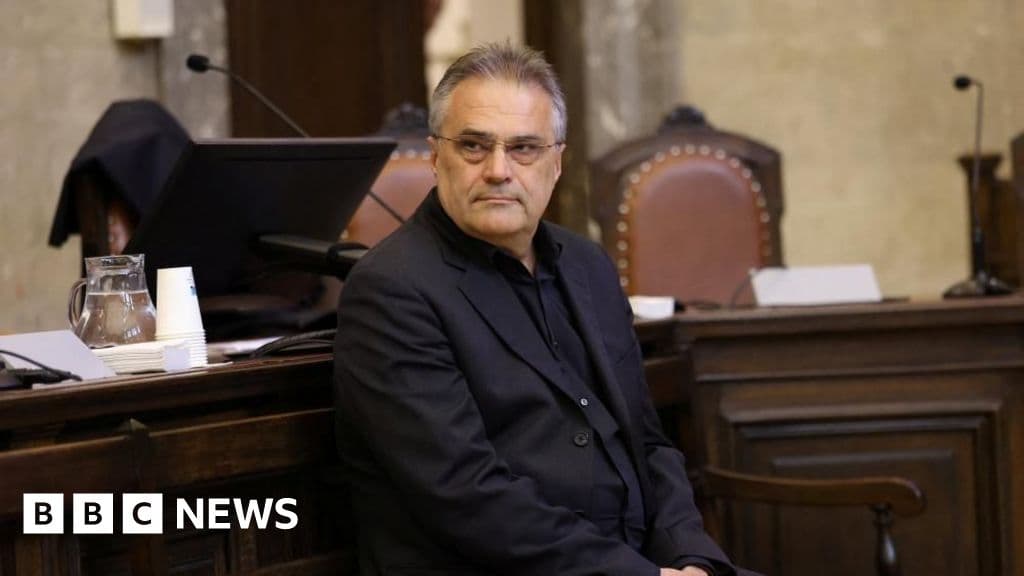
Egisto Ott, former Austrian intelligence officer, convicted of spying for Russia.

Michael Bay set to direct a film on US military rescue mission in Iran
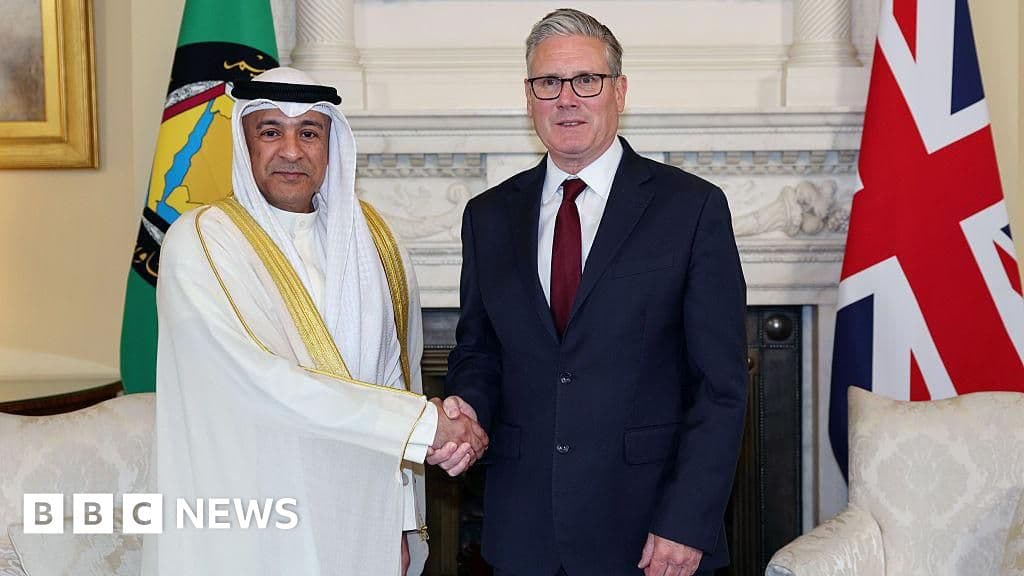
UK finalizes a £3.7bn trade deal with six Gulf states, removing tariffs and boosting business.
See every story in News — including breaking news and analysis.
The historic leader of Mas, the former president Evo Morales, also remains an uncomfortable shadow over the current administration. The country’s first Indigenous president has been entrenched since late 2024 in the coca-growing region of Chapare, where hundreds of farmers prevent police or the military from enforcing an arrest warrant against him for allegedly fathering a child with a 15-year-old girl in 2006.
Morales is currently being tried in another province on human-trafficking charges, linked to alleged political favours granted to the girl’s parents. He failed to appear in court and the judge issued a new arrest warrant.
The presidential spokesperson, José Luis Gálvez, said Morales was fuelling the unrest in order to “evade the trial”.
Morales denies this and said the uprisings were “against the implementation of the neoliberal model”, adding that “it is just and necessary for the thousands of victims of ‘dirty fuel’ to begin a civil action”.