Globalytic
GlobalyticPoliticsConflictsTechScienceHealthBusinessWorld

Globalytic

Independent world coverage — geopolitics, conflicts, science, and health — with AI-assisted editing and verification.

Sections

  • World
  • Politics
  • Conflicts
  • Tech
  • Science
  • Health
  • Business
  • World
  • All news
  • Search

Resources

  • About
  • RSS Feed
  • Search

Summaries and analysis may be AI-assisted. Content is for informational purposes only.

Not professional advice.

© 2026 Globalytic. All rights reserved.

  1. Home
  2. /News
  3. /Biobank data incident caused by 'a few bad apples', boss says
Load next article
HealthBreakingurgent

Biobank data incident caused by 'a few bad apples', boss says

BBC News3h ago4 min readOriginal source →
Biobank data incident caused by 'a few bad apples', boss says

TL;DR

UK Biobank's Professor Sir Rory Collins reported that a 'few bad apples' caused the sale of medical data from 500,000 participants on a Chinese website. The data was removed quickly, but the organization is facing scrutiny and has suspended access to its research platform for additional controls.

Key points

  • UK Biobank data of 500,000 participants was listed for sale
  • Data was posted on a Chinese website, Alibaba
  • Listings were removed quickly, preventing purchases
  • Professor Sir Rory Collins expressed anger and upset
  • Access to the research platform is temporarily suspended

Mentioned in this story

UK BiobankProfessor Sir Rory CollinsChina

Why it matters

The incident raises significant concerns about data security and the management of sensitive medical information.

The boss of UK Biobank Professor Sir Rory Collins has said a "few bad apples" were behind the incident which saw medical data belonging to 500,000 participants listed for sale on a website in China.

Datasets containing de-identified information about its volunteers made available to researchers at three academic institutions were found to have been posted for sale on Alibaba last week, the government said on Thursday.

It said the listings were "swiftly" removed before any purchase took place but the charity is now facing scrutiny over how the incident occurred.

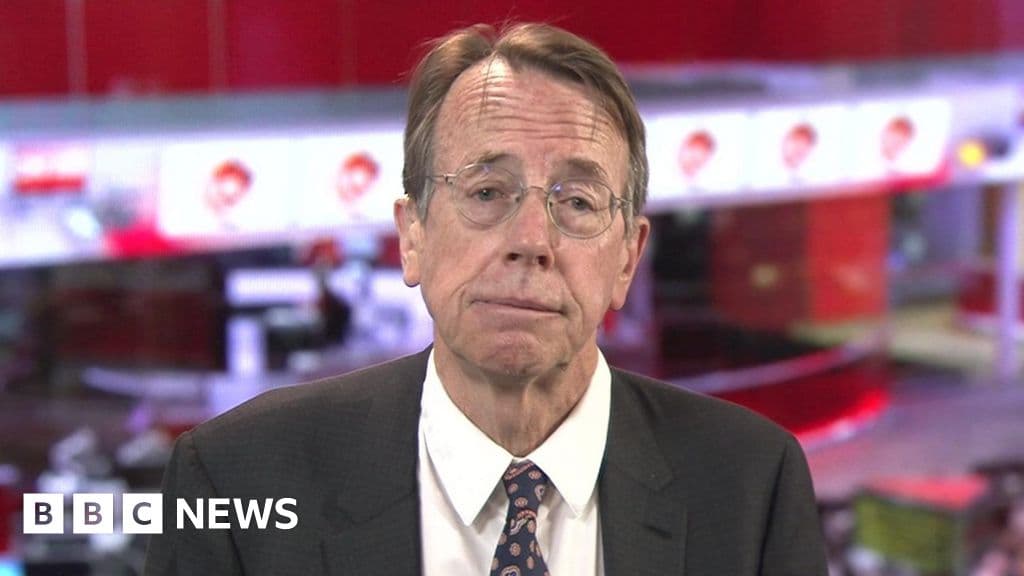
Sir Rory told the BBC he was "angry" and "upset" about it, and the institutions concerned had been banned from its platform.

He added the organisation was "essentially putting science on hold" by temporarily suspending all access to its online research platform while it put additional controls in place "to prevent anything like this happening again".

The Biobank is a collection of health data offered by UK volunteers which has been used to help improvements in detection and treatment of dementia, some cancers and Parkinson's.

Its online research platform allows scientists at approved academic institutions around the world to access its datasets - which include de-identified medical information about participants - for their own research.

"In this case, a few bad apples have taken those data off the platform and they have listed the data for sale," Sir Rory told the BBC Radio 4's Today programme.

"By working swiftly with the UK government and the Chinese government, and we're really grateful for their help, we have been able to get those listings removed before any data were sold."

Technology minister Ian Murray told MPs in the House of Commons on Thursday the data involved in the incident did not include participant's names, addresses, contact details or telephone numbers.

However he said it could include gender, age, month and year of birth, socioeconomic status, lifestyle habits, and measures from biological samples.

Biobank has collected intimate details - including whole body scans, DNA sequences and their medical records - from hundreds of thousands of volunteers for over two decades.

Participants were aged from 40 to 69 when they were recruited between 2006 and 2010.

When asked if Biobank participants could potentially be identified through sharing of its datasets, Sir Rory told Today it was "impossible" to entirely rule out that people could be identified by using its de-identified data and other information.

But he said there was no evidence to suggest this had taken place.

The organisation referred itself to the UK's data watchdog, the Information Commissioner's Office (ICO).
Q&A

What incident occurred involving UK Biobank data?

Medical data from 500,000 UK Biobank participants was found listed for sale on a Chinese website.

How did UK Biobank respond to the data incident?

UK Biobank suspended access to its online research platform and banned the institutions involved while implementing additional controls.

What did Professor Sir Rory Collins say about the data breach?

He expressed anger and upset, attributing the incident to 'a few bad apples' within the organization.

Were any purchases made before the data was removed?

No purchases occurred as the listings were swiftly removed before any transactions took place.

People also ask

  • UK Biobank data breach details
  • what happened with UK Biobank data
  • Professor Sir Rory Collins statement on data incident
  • how did UK Biobank data end up for sale

Related Articles

Falklands is a pressure point for the UK – and the US knows it
Politics

Falklands is a pressure point for the UK – and the US knows it

The Falkland Islands remain a geopolitical pressure point for the UK amid US-Iran tensions.

BBC News·14m ago·1 min read
UK position on Falklands will not change, No 10 says after leaked Pentagon memo
Politics

UK position on Falklands will not change, No 10 says after leaked Pentagon memo

UK Reaffirms Falklands Position After Pentagon Memo Suggests US Review

The Guardian World·21m ago·1 min read
The assisted dying bill has failed - but the debate isn't over
Politics

The assisted dying bill has failed - but the debate isn't over

The House of Commons has approved the assisted dying bill, but the debate isn't over yet.

BBC News·24m ago·1 min read
EU leaders agree blueprint for mutual assistance pact amid Trump’s criticism of ‘very disappointing Nato’
Politics

EU leaders agree blueprint for mutual assistance pact amid Trump’s criticism of ‘very disappointing Nato’

EU leaders have agreed to create a blueprint for using the mutual assistance pact in response to foreign attacks, amid Donald Trump's escalating criticism of NATO. The discussions follow Trump's remarks about potentially withdrawing the US from NATO due to European countries' reluctance to engage in the US-Israeli war on Iran.

The Guardian World·27m ago·1 min read
Negotiations that enable Israel’s land-grabs
Politics

Negotiations that enable Israel’s land-grabs

Negotiations have enabled Israel's land expansion at the expense of Palestinians.

Al Jazeera English·37m ago·1 min read
Young people may not recognise they have been victims of stalking, says CPS
Politics

Young people may not recognise they have been victims of stalking, says CPS

CPS highlights that young people may not recognize stalking victimization amid rising offenses.

The Guardian World·40m ago·1 min read

More from News

View all →

See every story in News — including breaking news and analysis.

At a glance

  • UK Biobank data of 500,000 participants was listed for sale
  • Data was posted on a Chinese website, Alibaba
  • Listings were removed quickly, preventing purchases
  • Professor Sir Rory Collins expressed anger and upset
  • Access to the research platform is temporarily suspended

Advertisement

Placeholder

An ICO spokesperson said in a statement on Thursday it had been informed of the incident and was making enquiries.

"People's medical data is highly sensitive information, not only do people expect it to be handled carefully and securely, organisations also have a responsibility under the law," they said.

Jon Baines, senior data protection specialist at law firm Mishcon de Reya, said the regulator would likely be seeking to confirm volunteer information was truly de-identified and, as such, does not constitute personal data under UK law.

Meanwhile, the organisation said there would also be a "comprehensive and forensic board-led investigation of this incident".

Sir Rory acknowledged "we can always do more" to prevent potential misuse, but said it had to balance making data available for scientific discovery and protecting it.

"UK Biobank has allowed discoveries to be made that otherwise would never have emerged about how to prevent and treat diseases like dementia," he told Today.

"The balance then is how do you put in place safeguards to allow that to go on, while doing it in a secure way."

Sign up for our Tech Decoded newsletter to follow the world's top tech stories and trends. Outside the UK? Sign up here.