
UK launches ‘Great British Summer Savings’ to ease family costs
UK government introduces 'Great British Summer Savings' to help families save on summer activities.
Al Jazeera English1 min read
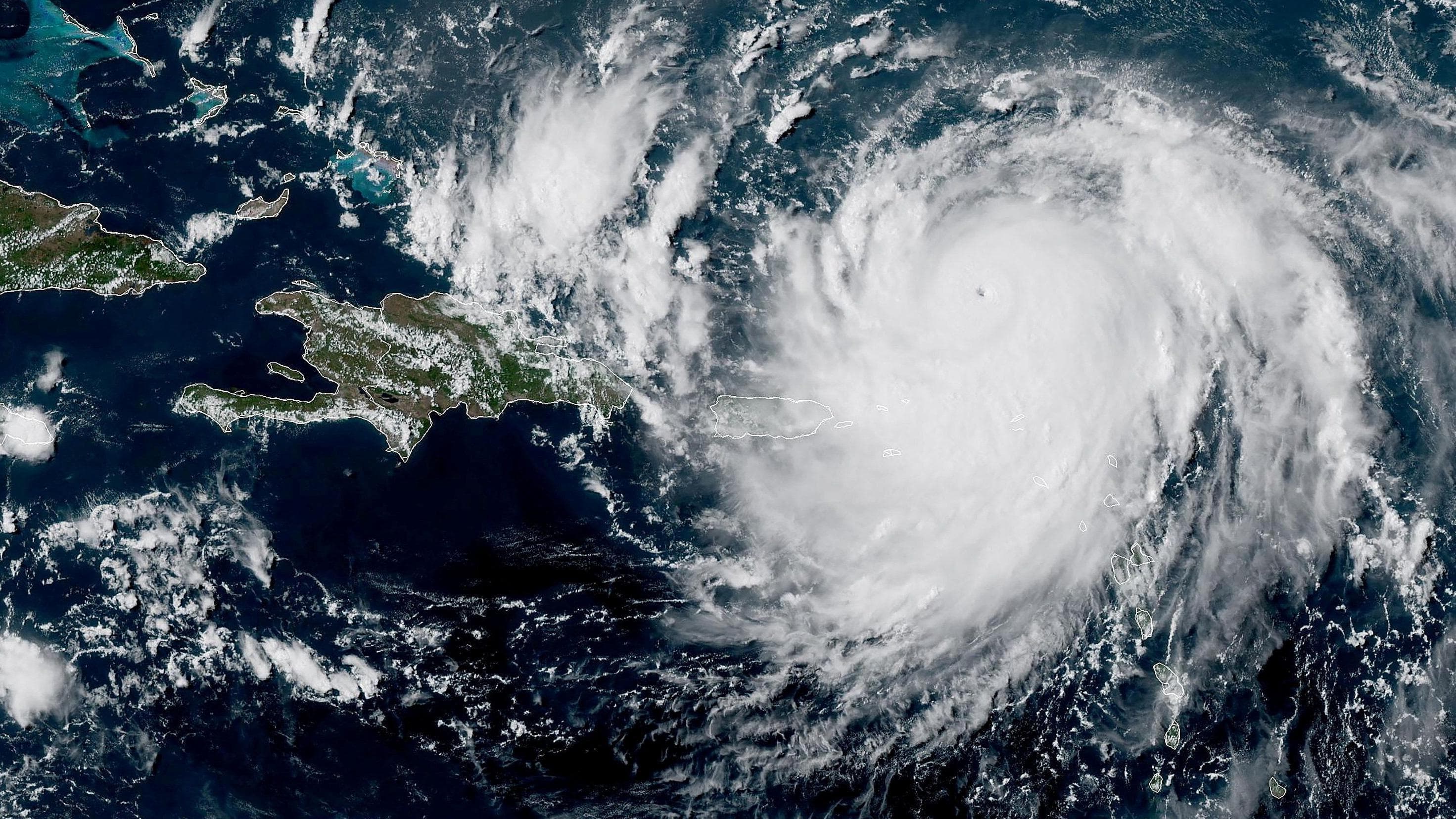
The 2026 Atlantic hurricane season is forecasted to be below average due to a strengthening El Niño, with a 55% chance of only eight to 14 named storms. This includes three to six hurricanes, with one to three expected to be major hurricanes.
Weather forecasters in the US say that this year's Atlantic hurricane season is expected to be less active than normal, largely due to a developing El Niño.
NOAA (National Oceanic and Atmospheric Administration) has issued its forecast for the 2026 season and says there is a 55% chance of a below-average season, with between eight and 14 named storms of tropical storm strength or above.
This would include three to six hurricanes, between one and three of which are expected to be major hurricanes - category three or stronger.
The Atlantic hurricane season runs from 1 June to 30 November and would typically feature 14 named storms, seven hurricanes and three major hurricanes.
There are competing factors that will influence how active this hurricane season might be.
On the one hand, sea surface temperatures in the Atlantic are expected to be higher than normal - which would typically support a more active year, as hurricanes draw their energy from warm ocean waters.
However, balanced against that is the growing chance of a strong El Niño.
This natural climatic event sees the usual flow of east-to-west trade winds across the Pacific slowing down or even reversing, with warm water pooling close to the Americas.
This can drive powerful thunderstorms overhead which can in turn lead to increased vertical wind shear in the Caribbean and Atlantic - meaning strong winds high in the atmosphere can tear storms apart.
Forecasters have calculated that the El Niño factor is likely to be strong enough to keep hurricane activity below average overall - but there are still big uncertainties.
Hurricanes can be deadly.
They bring a range of severe weather impacts including destructive winds, torrential flooding rainfall, and storm surges which can inundate coastal areas.
And forecasters warn that even in a below-average season, major hurricanes can still develop and cause devastation.
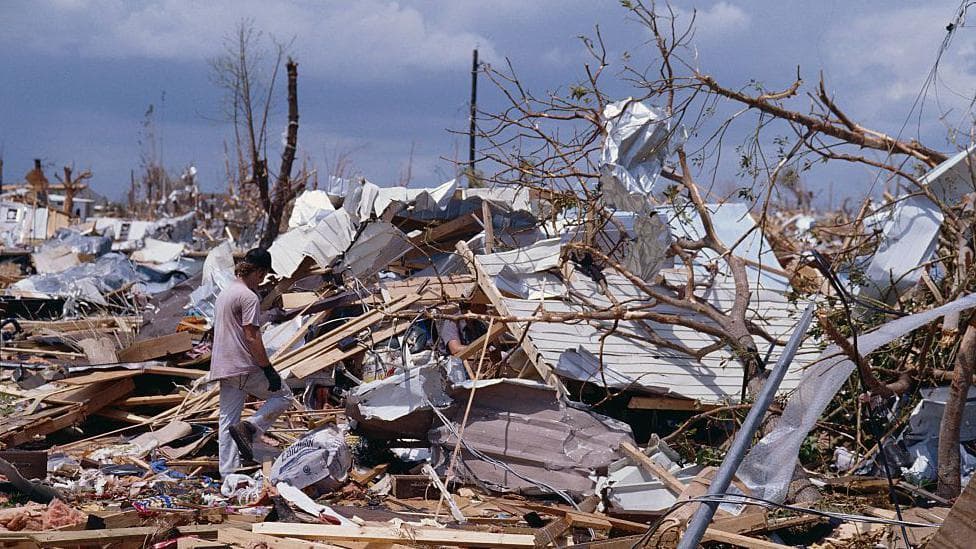
Image caption,
The forecast predicts a below-average season with eight to 14 named storms.
The forecast indicates there will be three to six hurricanes in the 2026 season.
A developing El Niño is expected to contribute to the below-average hurricane activity in 2026.
The Atlantic hurricane season runs from June 1 to November 30.
UK government introduces 'Great British Summer Savings' to help families save on summer activities.

Discover the 10 best FIFA World Cup players in history!

New poll reveals nearly 75% of Democratic voters oppose US military aid to Israel.

Mick Jagger's party on Stromboli stopped by police due to music ban

For the first time, UK senior civil servants will get bonuses for exceptional performance, rewarding 'doers, not talkers'.

US Supreme Court dismisses Alabama's bid to execute intellectually disabled man
See every story in News — including breaking news and analysis.
Hurricane Andrew occurred in 1992 - a below average season overall - but at the time it was the most damaging hurricane ever to hit the USA
NOAA's National Weather Service Director Ken Graham says "Although El Niño's impact in the Atlantic Basin can often suppress hurricane development, there is still uncertainty in how each season will unfold.
"It only takes one storm to make for a very bad season."
Forecasters cite the examples of Hurricane Betsy in 1965 and Hurricane Andrew in 1992, both devastating storms which occurred during below-average seasons.
Hurricanes are the tropical storms that form over the north Atlantic Ocean, as well as the north-east Pacific.
In other parts of the world these storms are given different names - for instance, typhoons in the north-west Pacific, near Japan and China, or cyclones in the Indian Ocean and around Australia.
Hurricane season activity usually peaks in September.
Forecasters use weather observations, historical data and computer models to predict how a particular season might behave.
An "average" one, based on a 30-year period from 1991-2020, produces 14 named storms - ranging from low-level tropical storms to the most powerful category 5 hurricanes.
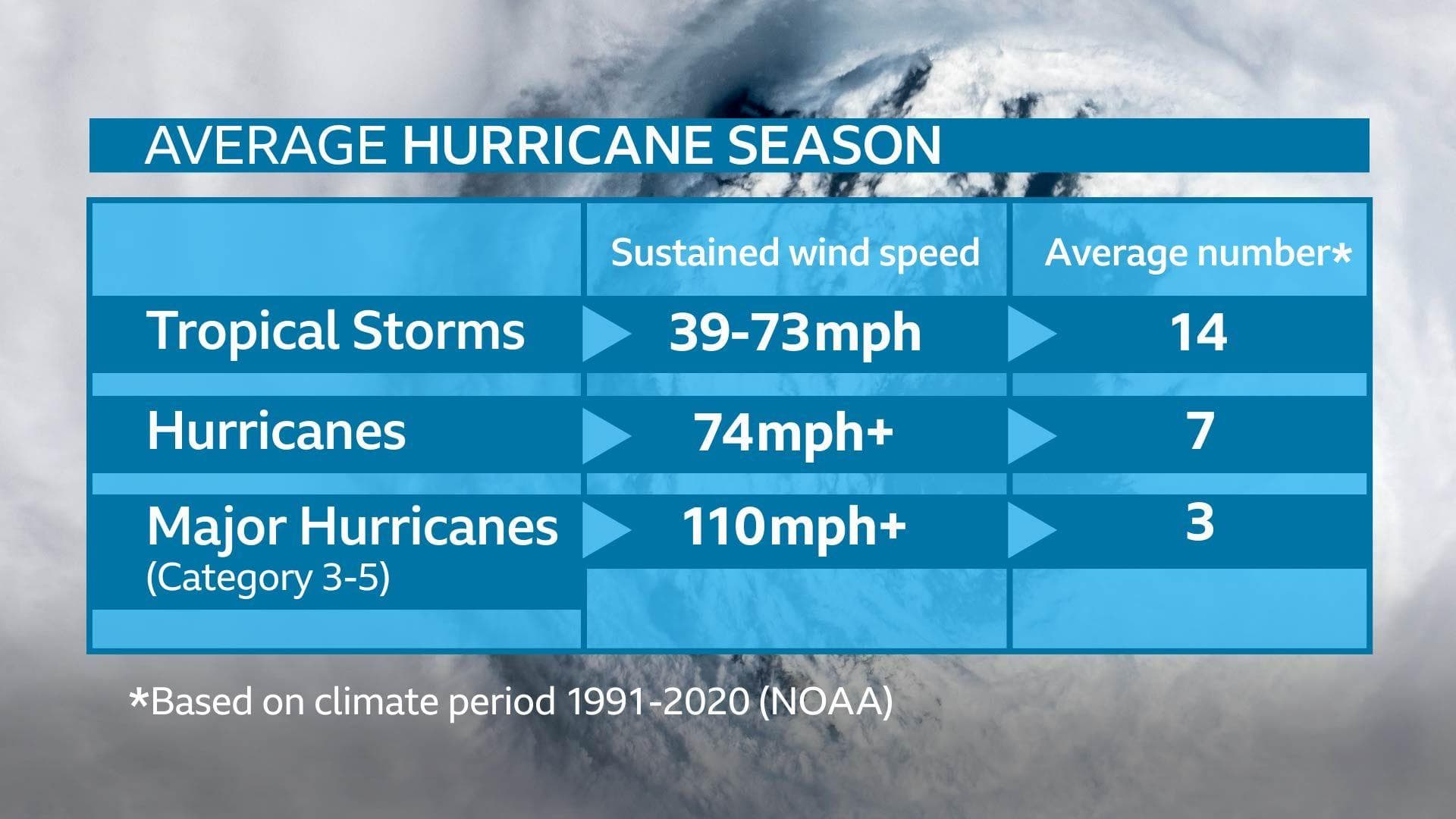
Image caption,
2026 is forecast to have fewer hurricanes than average
If the number of hurricanes forecast is higher than average these are referred to as active or hyperactive seasons - while other years bring fewer storms, and are known as less active seasons.
Another annual forecast, released in April by Colorado State University, also suggests 2026 will be a below-active season.
It predicts a total of 13 named storms, with six hurricanes and two major hurricanes.
In 2025, NOAA predicted a more active season than average - forecasting 13 to 19 storms, including six to ten hurricanes and three to five major hurricanes.
In reality 13 storms developed - at the lower end of the forecast range - and only five of these became hurricanes.
However the storms that did develop were particularly powerful with four major hurricanes and three category 5 storms - the second-most on record for a single season.
Perhaps the most notable storm of the season was Hurricane Melissa which struck Jamaica as a category 5 storm, with preliminary estimates putting the cost of the damage at $6-7bn ($4.5-5.2bn).
It also caused extensive damage in Cuba, Haiti and the Dominican Republic.
Erin and Humberto were the other category 5 storms, with Gabrielle completing the list of major hurricanes as a category 4.
In spite of all this activity in the Atlantic, the continental USA had a lucky escape with no hurricanes making landfall in 2025. Only one tropical storm touched down - Chantal, which affected the Carolinas in July.
Another notable feature of the 2025 hurricane season was the significant lull in activity that occurred around the time of year when storms would typically peak.
No storms formed between 24 August and 16 September - the first time that has happened since 1992.
It shows that forecasting hurricane seasons is complex.
Even active seasons can have notably quiet interludes, while below-average years can still produce devastating hurricanes.
The official forecast will be updated as the season unfolds.