
Kuwait says it foils infiltration operation by Iran’s IRGC
Kuwait arrests four IRGC members for attempted infiltration, injuring a soldier.
Al Jazeera English1 min read
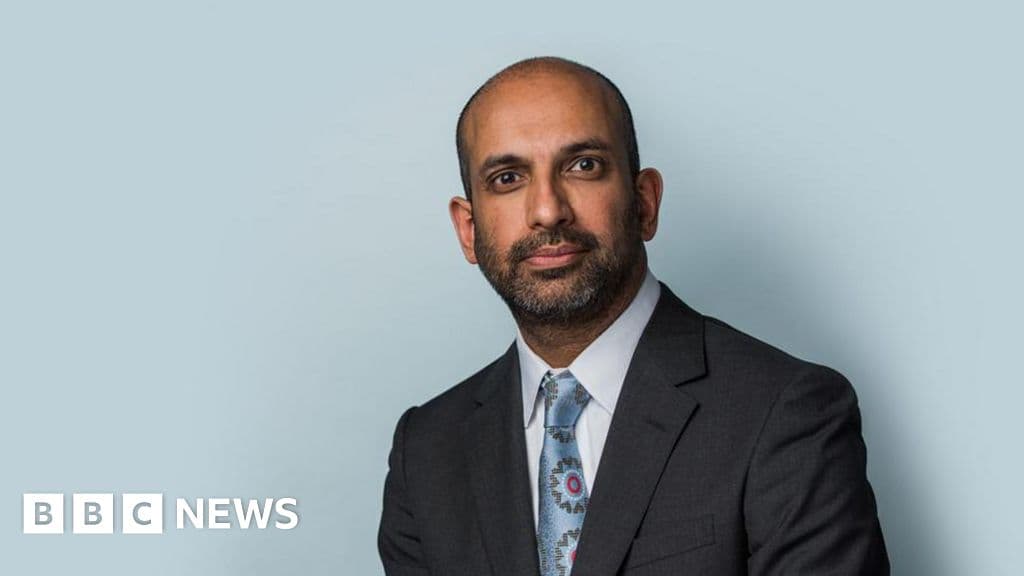
A barrister won a challenge against a contempt of court case related to his conduct during the trial of six Palestine Action activists. The Court of Appeal halted the case, citing procedural flaws but allowed for a potential resumption under different rules.
Mentioned in this story
A leading barrister has won a reprieve from facing an unprecedented contempt of court case over his alleged conduct during a trial of six Palestine Action activists.
Last week, a retrial jury convicted four members of the organisation of criminal damage over their break-in to Elbit Systems, a British subsidiary of an Israeli defence firm.
During February's first trial, Rajiv Menon KC, the leading defence barrister in the case, clashed with the trial judge amid allegations that he misled the jury.
The jury in that first trial did not convict any of the defendants.
In a ruling on Tuesday, the Court of Appeal stopped Menon's forthcoming case, saying it was procedurally flawed. But the senior judges left the door open to the challenge being resumed under different rules.
Menon's legal team have described the decision as a victory, but it is unclear what will happen next.
During the closing stages of the first trial, Mr Justice Johnson issued detailed directions to barristers over their closing speeches to the jury.
Those rulings included an order that none of the barristers could refer in their speeches to "jury equity".
This is a complex and contested part of English law which recognises that jurors are free to choose how to decide a case - even though they must simultaneously follow a trial judge's directions.
It has increasingly featured in recent prosecutions of protest groups, such as Extinction Rebellion and Just Stop Oil, where defendants have argued their actions were morally justified irrespective of the law.
It was used in closing speeches of four people who pulled down the statue of slave trader Edward Colston in Bristol in June 2020 - all four defendants were acquitted despite admitting their involvement.
Mr Justice Johnson told the jurors that if the defendants believed that they had been morally justified in smashing up Elbit's property, that would not be a "lawful excuse".
But Menon's closing speech to the jurors drew their attention to a famous 17th Century Old Bailey case which underlined that juries can independently of judges decide cases according to their convictions, and that judges cannot order them to convict.
Mr Justice Johnson said the effect of that speech had been to "invite the jury to disregard my directions" - a breach of fair trial rules.
The barrister denied ignoring the judge, saying that he was performing his duty to fairly and fully represent his client, Charlotte Head.
Mr Justice Johnson referred the speech to the High Court - and a senior judge in turn ordered that Menon should face contempt of court proceedings.
The contempt of court case against Rajiv Menon KC was related to allegations that he misled the jury during the trial of six Palestine Action activists.
In the first trial, the jury did not convict any of the defendants, while a retrial jury later convicted four members for criminal damage.
The Court of Appeal stopped the contempt case against Menon due to procedural flaws in how the case was presented.
Yes, the senior judges indicated that the contempt case could be resumed under different rules in the future.
Kuwait arrests four IRGC members for attempted infiltration, injuring a soldier.

Thomas Tuchel reveals England's 55-man provisional World Cup squad.

Pentagon raises US-Israel war cost estimate to $29 billion amid concerns

Over four children killed or injured daily in Lebanon amid ceasefire, report says.

Transportation Secretary Duffy stars in 'The Great American Road Trip' reality show.

Curacao's 'Blue Wave' to make history at FIFA World Cup 2026!
See every story in News — including breaking news and analysis.
But the Court of Appeal agreed with Menon's team that the case had been wrongly begun, saying that allegations of contempt had to be either dealt with directly by the trial judge at the time or referred to the Attorney General in government.
The case has now been stopped unless and until the trial judge sends it to the Attorney General, Lord Hermer, for him to consider.
Jenny Wiltshire, of law firm Hickman & Rose which represented Menon, said the contempt allegation was "unprecedented".
"Rajiv is delighted that the Court of Appeal has found in his favour.
"He hopes that this is now the end of the matter," she added.
Menon is a well-known defence and human rights barrister who has worked on many high-profile cases including the Stephen Lawrence Inquiry, inquests of victims of the Hillsborough disaster and for residents in the Grenfell Tower Inquiry.
Follow BBC Bristol on Facebook, X and Instagram. Send your story ideas to us on email or via WhatsApp on 0800 313 4630.