
JD Vance says he will discuss 2028 presidential run after midterm elections
JD Vance plans to discuss a 2028 presidential run with his wife after the midterms.
The Guardian World1 min read

The assisted dying bill is returning to the Commons after Labour MP Lauren Edwards agreed to reintroduce it. This follows its previous blockage by the House of Lords, and supporters hope to use the Parliament Act to bypass the Lords if necessary.
The assisted dying bill is set to return to the Commons after the Labour MP Lauren Edwards agreed to use her private member’s bill to put the issue before MPs again.
Edwards said she wanted to give the legislation another chance because it had been blocked by the House of Lords after being passed by MPs. The return of the bill would give supporters a chance to use the Parliament Act to potentially bypass the Lords if it was blocked for a second time.
Edwards said her decision was above all about democracy and that the bill “was prevented from passing only by the decision of a minority in the House of Lords to talk it out and stop it coming to a vote.”
“We owe it to all those terminally ill people and their families who are depending on this Bill to ensure that parliament can come to a final decision on the question of choice at the end of life,” she said. “And I believe it undermines public trust in our democracy more widely if we cannot deliver on a measure that is supported by a very large majority of voters in all parts of the country.”
The bill, which gives terminally ill adults over the age of 16 the right to end their life with the agreement of a panel of experts, passed the Commons last year but ran out of time to pass the House of Lords, after peers opposing the bill submitted more than 1,000 amendments.
Edwards, the MP for Rochester and Strood, came second in a ballot of private members’ bills, meaning she will have a good chance of passing the bill should MPs continue to support it.
Edwards was born in Victoria, Australia - the first state in the country to legalise assisted dying – and previously described the reform as “one of the most important, compassionate and empowering changes to healthcare we’ve seen in a generation.”
Sarah Wootton, chief executive of Dignity in Dying, said: “This announcement will come as an enormous relief to terminally ill people and their families. After decades of campaigning, and historic parliamentary progress towards giving dying people proper choice and protection at the end of life, many feared that [the] law change had been derailed despite the clear support of both the public and elected MPs.
The assisted dying bill allows terminally ill adults over 16 to end their life with expert approval.
The bill was blocked due to more than 1,000 amendments submitted by peers opposing it.
The Parliament Act may allow supporters to bypass the House of Lords if the bill is blocked again.
The bill aims to provide terminally ill patients and their families with the choice to end life on their terms.
JD Vance plans to discuss a 2028 presidential run with his wife after the midterms.

Former Senate Majority Leader Mitch McConnell hospitalized on Sunday amid health concerns.

Tragic helicopter collision in Rio de Janeiro claims six lives
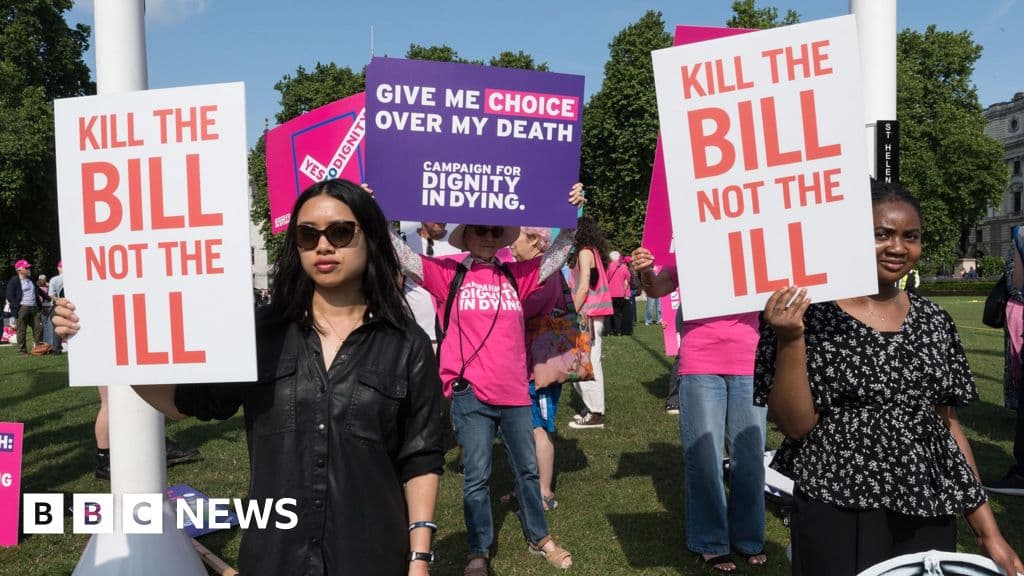
Assisted dying legislation returns to Parliament as MP urges action.

Tragic skydiving plane crash in Missouri claims 12 lives
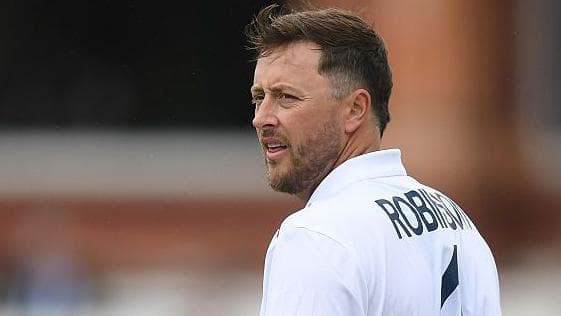
Ollie Robinson ruled out of second Test vs New Zealand due to knee soreness.
See every story in News — including breaking news and analysis.
“Lauren Edwards’s decision ensures that this vital conversation can continue. Every day, dying people are forced to endure suffering they would not choose, while others take desperate measures because the law offers them no safe, compassionate alternative. They deserve better.”
MPs must present their bills this Wednesday in parliament and Edwards must present a bill identical to the version originally passed by the Commons last year, when it was sponsored by Kim Leadbeater.
Dignity in Dying said Edwards had spoken to campaigners, including Elise Burns, from Faversham in Kent, who is living with secondary breast cancer.
Should the bill pass the Commons, the Lords would still be able to debate and suggest amendments to the bill and put it to a vote – but it cannot be talked out for a second time. Opponents say the bill was so flawed that it merited an unprecedented number of amendments, including criticism from several Royal Colleges.
Edwards said that she had expected the decision by the Commons to be respected by the Lords and that she hoped it would not be necessary to use the Parliament Act.
“There will be no need for that if peers complete their unfinished business in the normal way, but we cannot allow an unelected minority to frustrate the democratic process for a second time,” she said.
“Should mentally competent terminally ill adults at the very end of their lives be offered the choice of a dignified, pain-free death with all the protections and safeguards the Bill provides?
“An overwhelming majority of our constituents believe that they should. The House of Commons decided that they should. I believe as strongly as ever that we cannot and must not let them down a second time. Now is the opportunity for Parliament to fulfil the trust the public have put in us to correct a glaring injustice and pass this compassionate, safe and long overdue reform.”
But some opponents said they were dismayed about the division the bill would reignite at a time of political turmoil. The former health minister Ashley Dalton said: “We have debated this deeply divisive and flawed assisted dying bill for over a year and supporters have refused to listen or to make the necessary changes.
“This Bill would hand sweeping unchecked powers over life and death and our NHS to future governments, whatever their political persuasion. We should not be using more of our limited time and political capital on something that simply isn’t safe or a priority for the people who put us in power.”