
Anthropic to disable its most advanced AI models after US order limiting foreign access
Anthropic to disable advanced AI models following US order limiting foreign access.
The Guardian World1 min read
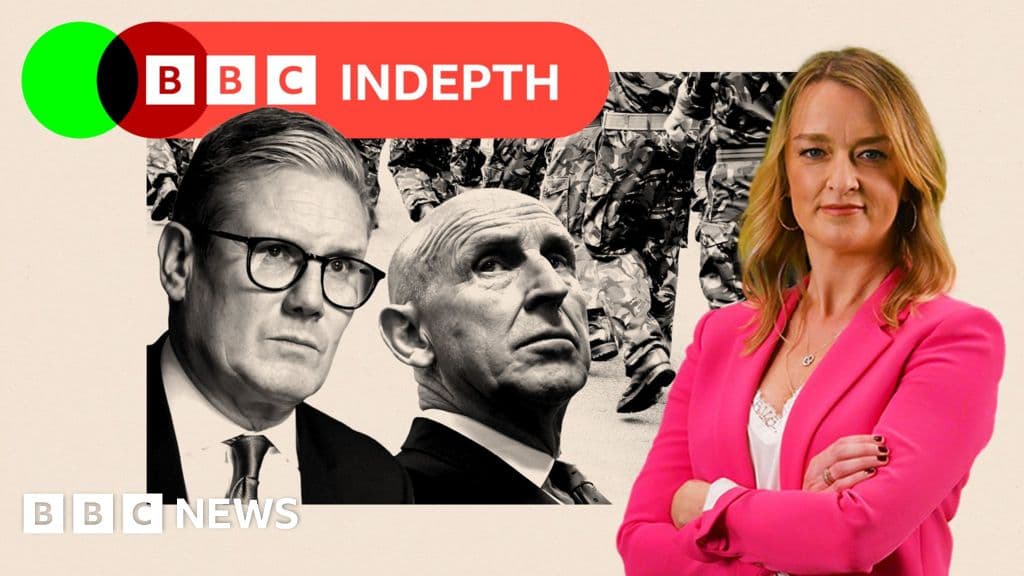
John Healey's resignation as defence secretary has raised concerns about a potential crisis for Downing Street, suggesting a domino effect that could impact Sir Keir Starmer's leadership. His departure is seen as a significant blow, indicating a loss of control within the government.
Mentioned in this story
At lunchtime on Thursday, my phone pinged. It was a video message from a Labour source, a gif of a shadowy hand flicking over one domino, which knocked over another, then another, then another. Then hundreds, then thousands, came tumbling down.
It was obvious what my contact was suggesting, half an hour or so after the shock resignation of John Healey. Could the exit of the now former defence secretary set off a chain of events that would lead Sir Keir Starmer's operation to fall over too?
The resignation was a disaster for Downing Street for many reasons. One cabinet minister told me everyone would be "shaken" by Healey's exit. Another insider joked grimly: "It's been a really hard week – stronger words could be used."
For the defence secretary to say publicly that the prime minister's decisions were putting the country at risk is about as bad as it gets. The top responsibility of any government is to protect us. For a senior government figure to say the prime minister's choices were making us less safe (and he does put it that strongly), is serious damage.
Second, Healey is about as loyal a Labour politician as you'd ever care to meet. For him, in particular, to quit really is a brutal judgement of the government. You can be sure he'd have tried everything in his power to make it work. Third, as one former Labour cabinet minister suggests, it illustrates that "Keir has never got control of the Treasury, even though he's meant to be in charge".
Healey's letter said, carefully, that No 11 had been "unwilling" to find the money for defence, but No 10 had been "unable" to make it happen – a real dig at his lack of authority.
And it's all taking place in an unforgiving context. Labour has already put the prime minister on notice, with dozens of MPs saying he should quit and at least two leadership contenders raring to go. But his record on security and managing foreign allies is often cited by the remaining Starmer loyalists as the reason he has to stay.
"What does Andy know about defence?" or "Can you imagine Wes handling Trump?" These are the kinds of retorts I hear when there are questions on whether the prime minister can really stay. But Healey's departure has just blown a giant hole in that remaining flank of protection.
How did the government get itself into this mess in the first place? I'm told that as late as Wednesday night, Downing Street was still wondering whether to present the extra cash to be announced for defence as another £15 billion, £13.5 billion or £10 billion.
One source told me: "The deal was so bad they didn't know how to present it".
Ouch.
On Tuesday morning, Healey told Sir Keir the settlement was far too low. He also demanded that a date be fixed by which the UK would hit a target of spending 3% of national income on defence – a step on the way to meeting a promise the prime minister made Nato allies a year ago to hit 3.5% by 2035.
John Healey resigned due to concerns that the prime minister's decisions were compromising national safety.
Healey's exit could trigger a chain reaction that undermines Keir Starmer's leadership and control over the Labour Party.
Healey's resignation signals significant instability within the Labour government, as he was considered a loyal party member.
A cabinet minister publicly criticizing the prime minister can severely damage the government's credibility and authority.
Anthropic to disable advanced AI models following US order limiting foreign access.
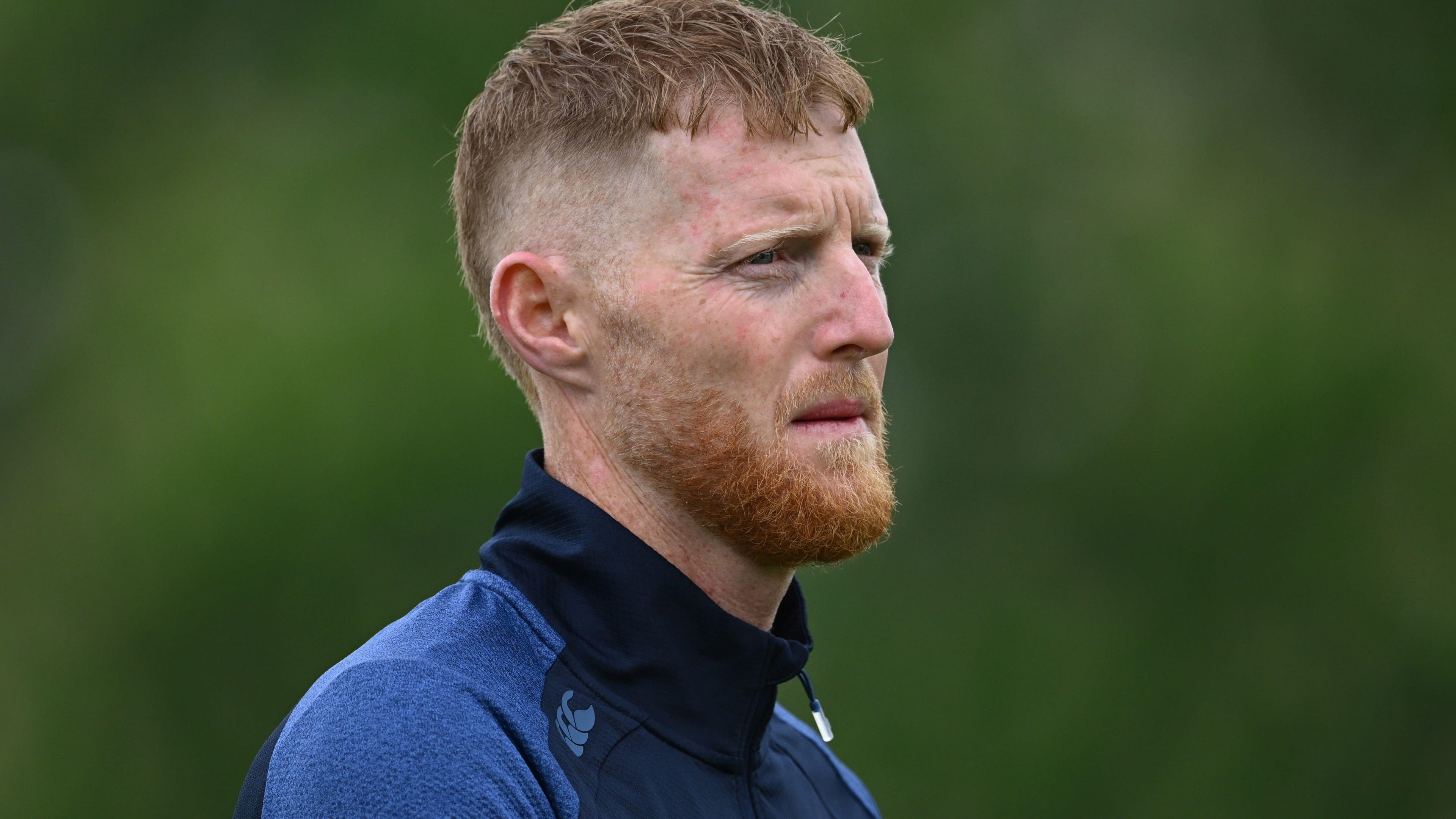
Ben Stokes returns to Durham training after missing England's Test due to curfew breach.

FDA approves a new sunscreen ingredient that blocks UVA and UVB rays, the first in nearly 30 years!
West Ham shareholders condemn Sullivan after misconduct allegations

Haiti experienced a brief peace as Brazil played an exhibition match in 2004, uniting fans in Port-au-Prince.

Qatar takes on Switzerland in a crucial World Cup 2026 match this Saturday!
See every story in News — including breaking news and analysis.
Later that day, I'm told the MoD warned Downing Street about the consequences of such a low settlement.
For the next 24 hours, John Healey was trying to see or speak to the prime minister about what on earth they were going to do. But the call back didn't come until late on Wednesday night.
Healey warned the prime minister he'd have to quit if nothing changed, saying, "As it is, I can't stand behind this – and I would have to resign". Healey's allies suggest they'd agreed to mull it over overnight. Sir Keir's camp suggest the PM had made his final position clear.
By mid-morning Thursday, Healey had been met with silence from No 10. But when he chased it up, one of the Downing Street political team, not Sir Keir himself, told him the PM had made his mind up and "there was no change". At that point, Healey's mind was made up too - he'd have to go.
An ally of Keir Starmer said they were "perplexed" by John Healey's decision. "No one around the Cabinet table has done more to sort defence spending than Keir. He literally unpicked the spending settlement of every single government department to pay for the boost."
The prime minister had bumpy conversations with other ministers in order to get more cash together, forcing them to give up some of their budgets. But it paints a rather strange picture of Sir Keir being the one having to push the Cabinet to do his bidding - rather than him making a big decision and others having to make it happen.
The ingredients of the dispute lie in decisions made last year, and the situation at the MoD when Labour arrived. Senior figures say the Conservatives' ambitions for defence had not been quite matched by the level of funding that had been allocated: their eyes were bigger than their budgets. And inflation meant that costs of existing programmes had gone up too.
While John Healey is that most unusual of politicians, an MP who no one will be mean about, it has been suggested to me he took some time to truly absorb how stretched the existing budgets were.
Then, at the start of June 2025, with great fanfare, the Strategic Defence Review was published – penned by a former Labour defence secretary, Lord Robertson.
He had deep knowledge of the subject. And experience of handling the politics when the cash runs short. When in the defence job himself, the then-Chancellor Gordon Brown was trying to reduce his budget. Lord Robertson and his ministers, John Reid and John Spellar, paid a visit to Tony Blair, saying they'd all resign if the Treasury took the cash. Blair overruled Brown. And at the time, no one ever knew.
Lord Robertson's review was drawn up with the expectation that defence spending would rise to 2.5% of national income or GDP by 2027 – with the plan that it would hit 3% by 2034 at the latest.
There are two important side notes. Exactly how the money would be spent was left to be decided at a later date - with the long overdue and disputed Defence Investment Plan promising to provide the full costed shopping list. And crucially, at that stage, John Healey told the prime minister and the chancellor he wouldn't need to come back for more cash – which looks now like a dreadful mistake.
But, less than a month later, after political pressure from Donald Trump and the head of the defence alliance, Nato, at a summit in the Hague, the prime minister committed the UK to a much bigger long-term price tag – 3.5% of GDP by 2035.
That was a much pricier commitment than had been planned. And no one could say, not least the defence secretary, where the extra cash was going to come from. Senior sources tell me the Treasury was not in the mood to accept that billions more would be required. As the months rolled by, there was no sign of the Defence Investment Plan as arguments broke out between departments over how the extra money was going to be found. And still ministers' rhetoric about the dangers the country was facing ramped up and up.
In other words, the prime minister made a very public promise to the country and its allies that there would be much more spending on defence, without agreeing it with his ministers, or telling you and me where the money was going to come from. And the cash he and his chancellor have now come up with is - according to John Healey and many in the defence world - quite simply, not enough.
Would you fancy the chances of the new defence secretary, former solider Dan Jarvis, being able to square that circle any time soon? On Friday, the prime minister was trying to stick to his script, highlighting his "hard-edged" decisions – in other words, there's no more cash. But another former Labour minister predicts that "there'll have to be a u–turn" and more money will just have to be found. They predicted Jarvis couldn't present the existing plan or "he'll be toast".
Awkwardly for the PM, you can be pretty sure in the next few days that the pressure will come very publicly from a different quarter. In unfortunate timing, the G7 summit is about to start in France, hosted by Emmanuel Macron. But there'll be a visit, of course, from Donald Trump. Now Trump and Sir Keir's bromance is definitively over, he may not be able to restrain himself from making pointed comments about how much the UK's spending.
For months, he's been pushing European allies to pony up more money. One of his defence team, Elbridge Colby, has already been resharing John Healey's damning resignation letter online, saying there is a "great need for more British military strength in this critical time".
It is deeply embarrassing for the UK to have this play out in front of its most important ally. In a farcical plot twist, a group of MPs on a visit to Washington DC were about to attend a meeting at the Pentagon when the story broke. It had been stressed to them they should tell any American who was listening how committed the UK was to extra spending on defence. With the defence secretary chucking it in, and protesting about the level of cash, one of those present told me: "It might have been hilarious if it hadn't been so awkward".
It all leaves the prime minister with a dreadful policy quandry: how to find cuts or new taxes - which no one in his party wants - to pay for defence. How to make it look like he is in charge of events. And how to regain authority, when his reputation on the most serious of his responsibilities has been so badly damaged.
One of his allies suggested this embarrassment might not make that much difference to his chances of survival, as arguments over defence don't "split the party like education or welfare". But one former minister said: "I'm afraid Keir's stuffed now" – another called Healey's exit "the last nail".
The prime minister himself seems as resolved as ever not to quit. But listen carefully to his interview with Chris Mason yesterday. Is he going to lead Labour into the next election? "That's what I want to do," he replied. "I recognise that I've got to turn things around."
That's not a yes. To lose a defence secretary makes an already weak prime minister look like he's losing the argument. With Andy Burnham hopeful of finding his way back to parliament in a matter of days at the Makerfield by-election, those dominoes may indeed, be about to fall.
BBC InDepth is the home on the website and app for the best analysis, with fresh perspectives that challenge assumptions and deep reporting on the biggest issues of the day. Emma Barnett and John Simpson bring their pick of the most thought-provoking deep reads and analysis, every Saturday. Sign up for the newsletter here