
Protesters clash outside One Nation fundraiser while Labor says opposition parties will ‘give us chaos’
Protesters clash with One Nation supporters outside fundraiser in Melbourne
The Guardian World1 min read

Disneyland has implemented facial recognition technology at some entrance lanes to prevent fraud and streamline re-entry. Guests can opt out of using these lanes if they choose.
Mentioned in this story
Disneyland, the beloved California adventure park, has outfitted some entrance lanes with facial recognition technology, a move its parent company says will prevent fraud and streamline re-entry.
At certain entrance lanes, a camera will capture images of visitors, which can be converted via biometric technology into unique numerical values, according to the Walt Disney Company’s website.
Ostensibly, the technology could be used to determine whether someone had already entered the park, and to crack down on potential annual pass sharing.
Guests can decide to opt out of lanes equipped with the technology, according to the company.
The software’s roll-out comes at a moment where facial recognition technology is embroiled in a national debate about privacy concerns and surveillance.
Meta reportedly has plans to add a facial recognition feature to their smart glasses, which have been a source of ire for those who unknowingly find themselves being recorded. The Trump administration is eyeing the allocation of funds for such glasses to aid Immigration and Customs Enforcement agents.
Law enforcement agencies that rely on facial recognition software have also been long scrutinized, and subject to lawsuits, over alleged wrongful arrests that disproportionately affect people of color.
Entertainment venues, similar to Disneyland, have also adopted the technology. At several stadiums that host Major League Baseball (MLB) games, ticket holders can opt for a “go-ahead entry”. Fans upload a selfie to an app, and then can have their faces scanned at the stadium to enter.
A privacy expert at the American Civil Liberties Union warned of the precedent being set by the sporting league’s hands-free entry initiative. “People need to ask themselves whether they want to live in a world where their face is scanned at every turn,” Jay Stanley told USA Today in 2024.
Disney said on its website that “technical, administrative and physical measures” have been implemented to protect visitors’ information. But
The technology captures images of visitors and converts them into unique numerical values using biometric technology.
The implementation of facial recognition technology has sparked a national debate about privacy and surveillance issues.
Yes, guests have the option to opt out of using the lanes equipped with facial recognition technology.
Protesters clash with One Nation supporters outside fundraiser in Melbourne

Switzerland votes on controversial proposal to cap population at 10 million

Jessie J's triumphant return to China captivates billions

Campaigners challenge UK government over fast-tracked chemical regulations that may weaken safety standards.

Riots in the UK: Racial tensions escalate in Belfast and Southampton.
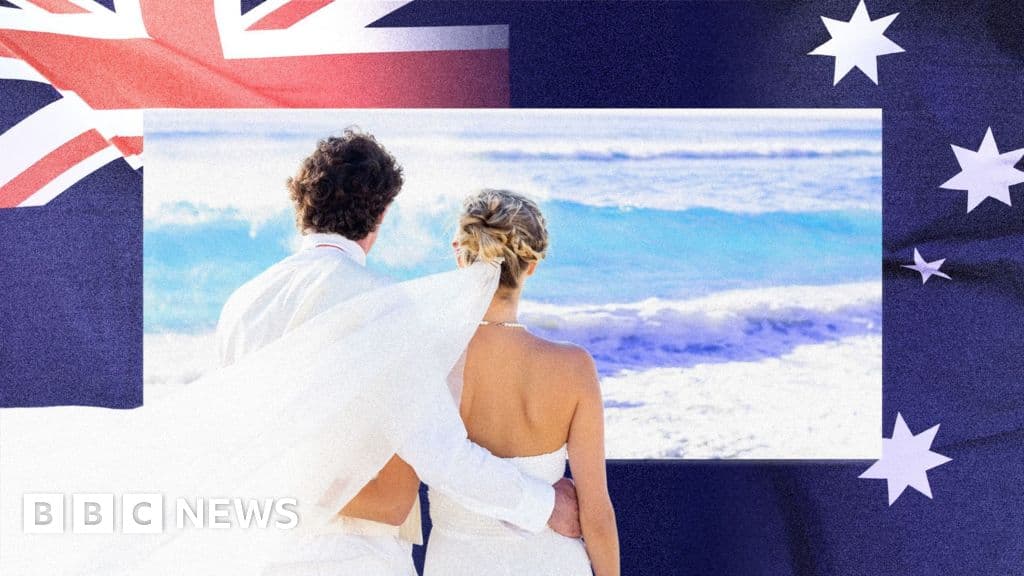
MAFS Australia contestants report feeling unsafe due to undisclosed criminal histories of partners.
See every story in News — including breaking news and analysis.
the company also noted: “please be aware, despite our best efforts, no security measures are perfect or impenetrable.”
Disney is no stranger to the software. The company tested the technology in 2021 at its Magic Kingdom theme park in Orlando and at Disneyland in 2024.